
I like to think of my role as a celebrant as someone who helps to celebrate and commemorate every important stage of life. There’s death, there’s marriage, there’s coming of age… and there’s also the very start of life itself.
The practice of welcoming a child and formally announcing their name is an established one. In many religions, the birth of a new child is celebrated with a particular ceremony. In Christianity, children are baptised or sometimes dedicated, in Islam an Aqeeqah ceremony takes place, and in the Jewish faith baby boys might have a Brit Milah, whilst girls have a Simchat Bat or a Brit Bat.
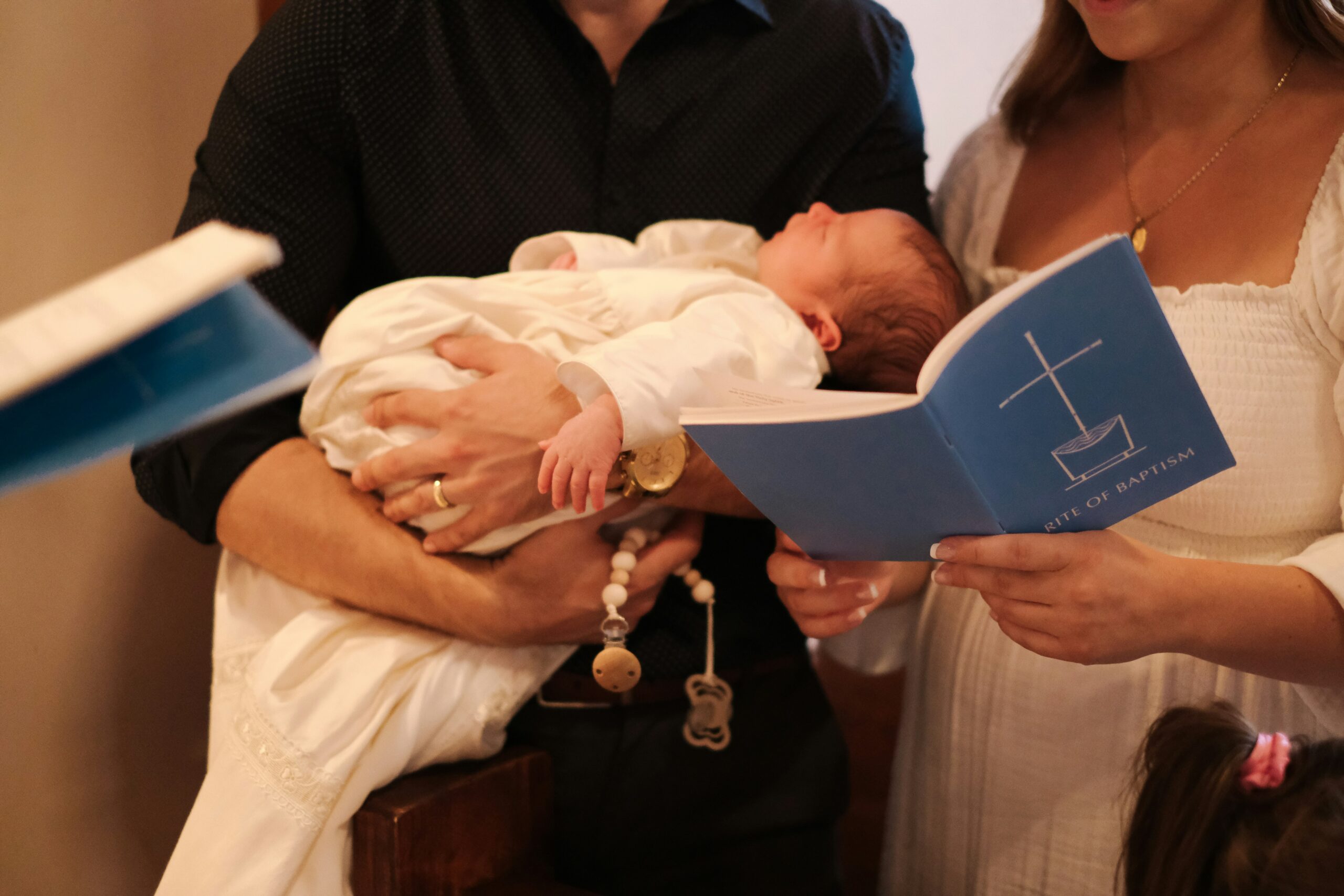
If you’re not religious, there isn’t the same kind of template for a ceremony that celebrates a new addition to your family. A naming ceremony, also referred to as a naming day or welcoming ceremony, is a very popular option that carries the same significance without any religious links.
In this article, I’ll explain more about what a naming ceremony involves, how to plan one, and how the tradition of a naming day can be adapted.
What is a Naming Ceremony?
A naming ceremony, or a naming day, is an event that celebrates the arrival of a new child into their family and the wider community. It usually happens when the child is a baby, and may centre around the name that their parents have chosen for them.
What Happens at a Naming Ceremony?
Since a naming ceremony is a non-religious event, there are really no rules about what can happen at one. This means that you can personalise your child’s naming ceremony to fit with your preferences and the kind of celebration you want to host.
Many naming ceremonies begin with an introduction to the child. They might be carried to the front of a room, through the guests, by their parent(s) or caregiver(s), or might just be at the front or middle of a group of people.
It’s common for naming ceremonies to include an introduction to the family and the journey that the child’s parent(s) have been on to get to this point. This might include previous hopes and dreams for a family, any siblings that have already been born, and sometimes even unsuccessful attempts at starting a family, where miscarriages are marked and remembered.
The ‘naming’ part of a naming day can be as big or as small as you’d like. Whoever is leading your ceremony might just formally share the child’s full name, or they might tell the story behind the thought that went into choosing their name, and what it means.
As with weddings and funerals, some people like to include music or readings in their naming ceremony. These can be a great way to get other important people involved in the ceremony.
Many parents like to include a section where they make vows or promises to their child. This can also include siblings, which is a lovely way to include all of the immediate family, and might take the form of a simple call and response, or more personal promises written by other family members.
One tradition that you might want to include in your naming ceremony is the appointing of ‘guideparents’. This alternative to choosing godparents means selecting several adults who you hope will play a particularly significant part in a child’s life, and getting them to formally make these promises to the new child. Again, this can be as simple or as personalised as the people involved want it to be.
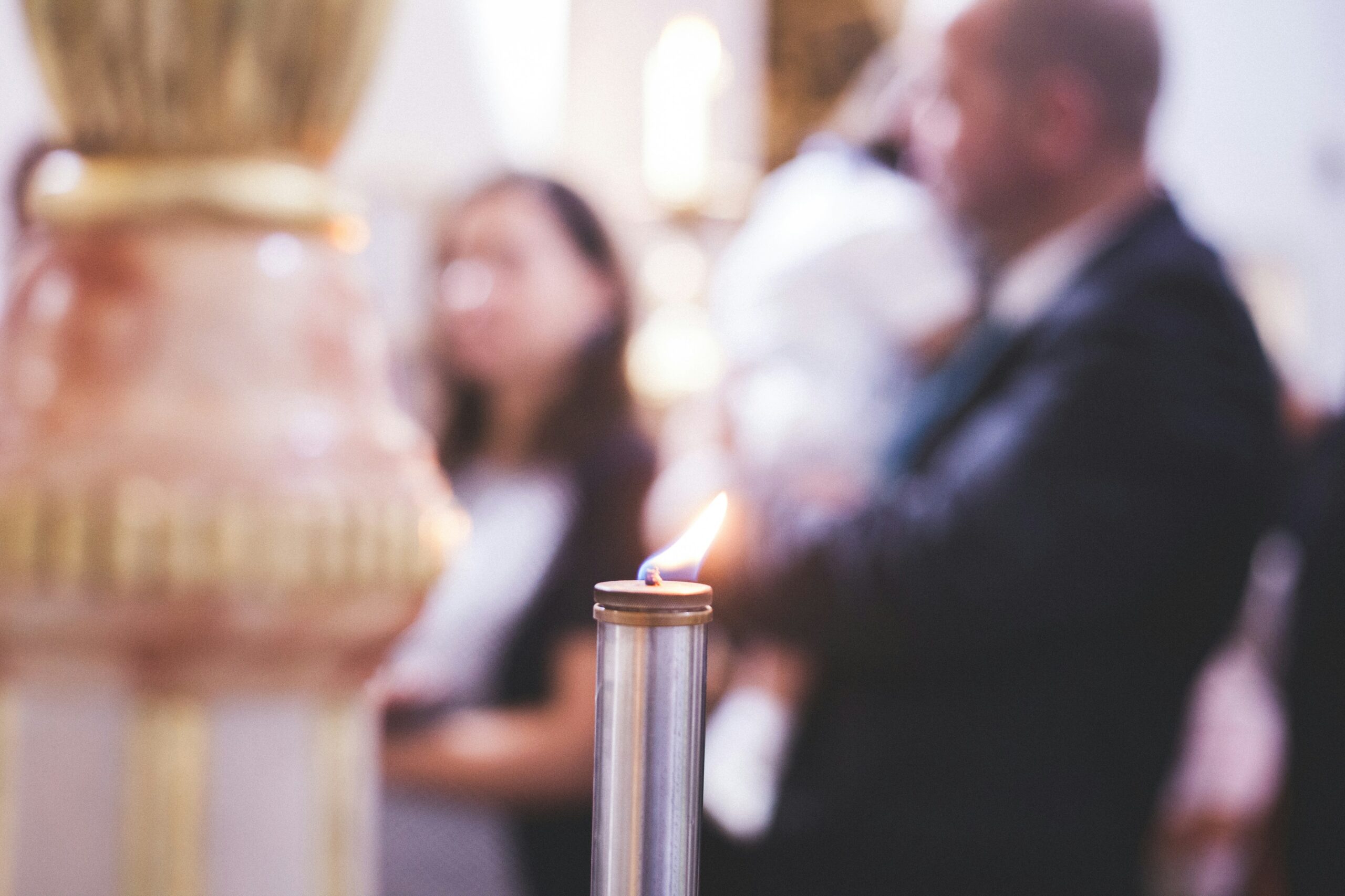
As in many kinds of ceremony, there is often a symbolic ritual that closes the proceedings and may create a permanent reminder of the day. You can choose whatever ritual you feel is most appropriate here, depending on who is involved and what feels right. Common examples include lighting a special candle and getting other family members to light candles as well, performing a sand ceremony with the child’s siblings, planting a tree or flower, or creating a piece of art by casting or making a print of the child’s hands and/or feet.
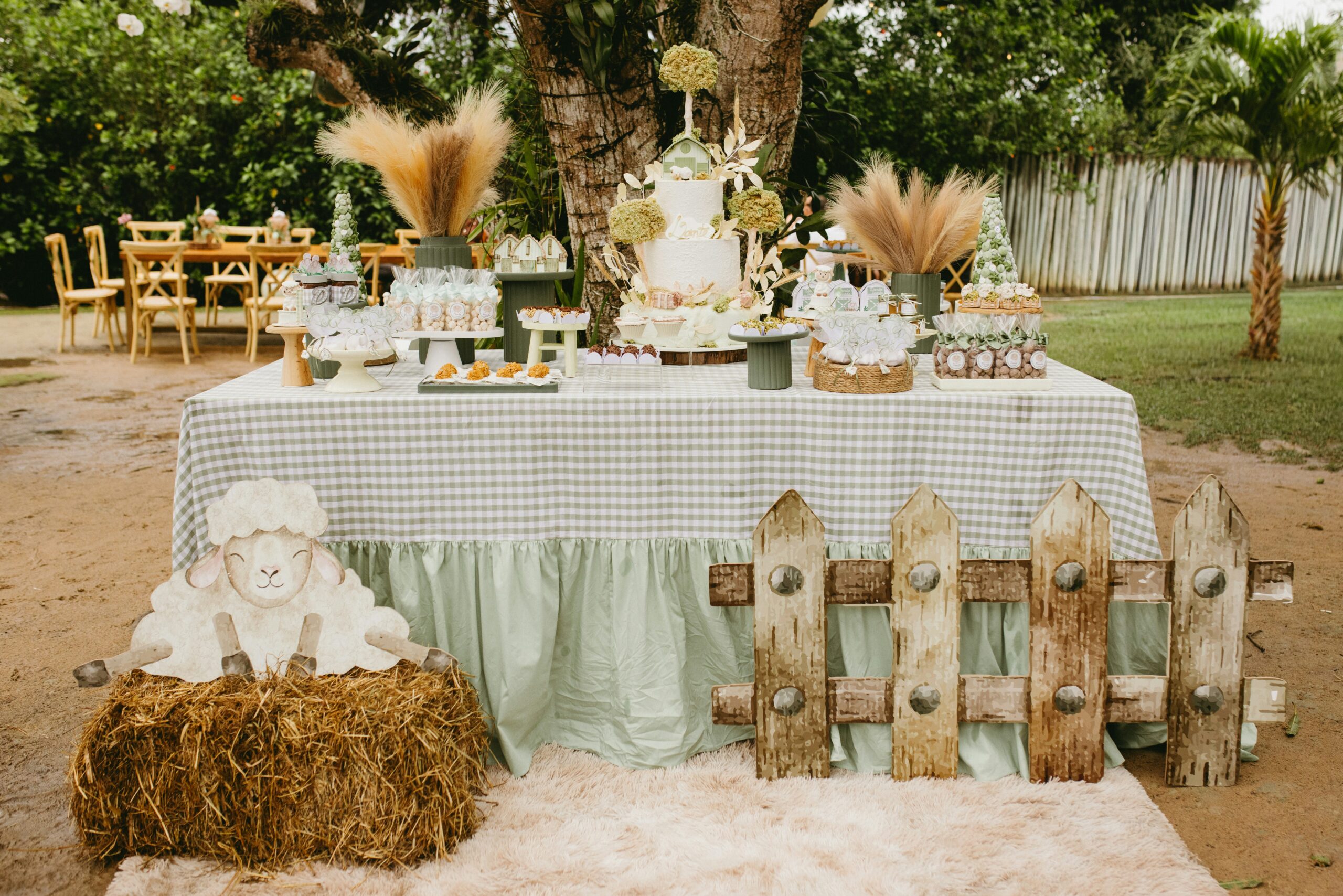
Once the ‘official’ part of a ceremony is over, many families choose to spend the rest of the event just having a party with the guests who have attended.
Who Performs a Naming Ceremony?
An independent celebrant is a common choice to perform a naming ceremony. I’m obviously biased with this suggestion, but in my opinion, it’s the best choice.
When you work with a celebrant to plan a naming day, they will take the time to get to know your family and the story of your new child, so that they don’t feel like a stranger on the day. Their role is to create a ceremony that is personal and meaningful, so they’ll be able to make suggestions and work with you to design something that feels right for your family and anyone else involved.
If you don’t want to work with a celebrant for your naming ceremony, then you might instead choose a member of your family to lead the celebration, a close friend, or an important person within your community. If you have someone particular in mind, you can still contact a celebrant like me for ceremony writing support, so you can experience a professional ceremony delivered by someone you have chosen.
Why is a Naming Ceremony Important?
Now that you’re clued up on what happens at a naming ceremony and who can deliver one, you might be wondering why people actually choose to hold one in the first place.
It’s a fair question.
My answer is that a naming ceremony or a naming day is only important if you want it to be. If you want to do something formal and significant to celebrate the arrival of a child into your family, then a naming ceremony is a wonderful way to do this. But if you’d rather celebrate with something else entirely, that is also 100% fine.
Humans have been doing all kinds of things to mark the birth of a child for centuries, and naming ceremonies are one of the latest iterations. For many people, a ceremony and symbolic ritual is a way to make the occasion feel special and gives an opportunity to get their family and community involved, which can be really important for the parent(s) and the child.
I love naming ceremonies because I think it allows you to celebrate the arrival of a child in a way that feels significant to you, using whatever elements you’d like. You might want to bring in spiritual or cultural elements that feel important, and it allows for the selection of ‘guideparents’ which can be a great way to involve your close friends in a new child’s life.
When to Do a Baby Naming Ceremony
Some of the religious ceremonies I talked about earlier have to take place on certain days after a baby is born. There’s none of that with a celebrant-led naming ceremony however.
The answer to when to hold a baby naming ceremony is whenever you feel it is right for you and your family. These kinds of events are typically held when a child is still quite young, under a year old, but there’s no reason that you can’t wait until your child is older.
In fact, you can often involve the child in question a lot more in a ceremony if they are at an age where they can communicate and engage with others, which might be your preference.
You don’t need to rush into holding a naming ceremony, especially if you’re a new parent who is walking through life in a sleep-deprived haze. Whenever you choose, you’ll be able to plan an event that celebrates your family and its new addition in a way that feels right.
Alternative Naming Ceremonies
This article has focused on naming days that are for newly born babies. But naming ceremonies can be adapted for other circumstances as well.
Adoption Ceremonies
Some parents choose a new name for a child when they are adopted, and a naming ceremony is a wonderful way to make this decision official. For older adopted children, you might still want to hold a naming ceremony to celebrate the fact that they are legally taking your family’s surname, and host an event that celebrates this important milestone.
Surname Ceremonies
Along with celebrating a new surname for an adopted child, there are also circumstances where your child(ren) gain a new surname. For example, if a parent is marrying or remarrying and changing their name, a naming ceremony might take place after or even as part of their wedding to involve the child(ren) in the creation of a new family and help them to feel included.
Transgender Naming Ceremonies
If you’re changing your name as part of a gender transition, a naming ceremony is a wonderful way to make this step feel official and reintroduce yourself to your family and community. You can involve as many or as few elements as a ‘traditional’ naming day; what matters is planning an event that honours and affirms your decision.
Curious About Holding a Naming Ceremony?
If this article has got you thinking about whether you’d like to plan a naming ceremony, I’d love to talk to you about how I can help as your celebrant.
You can find more information on my website about my family ceremony services, or you can get in touch directly to chat to me about your ideas.

Leave a Reply