
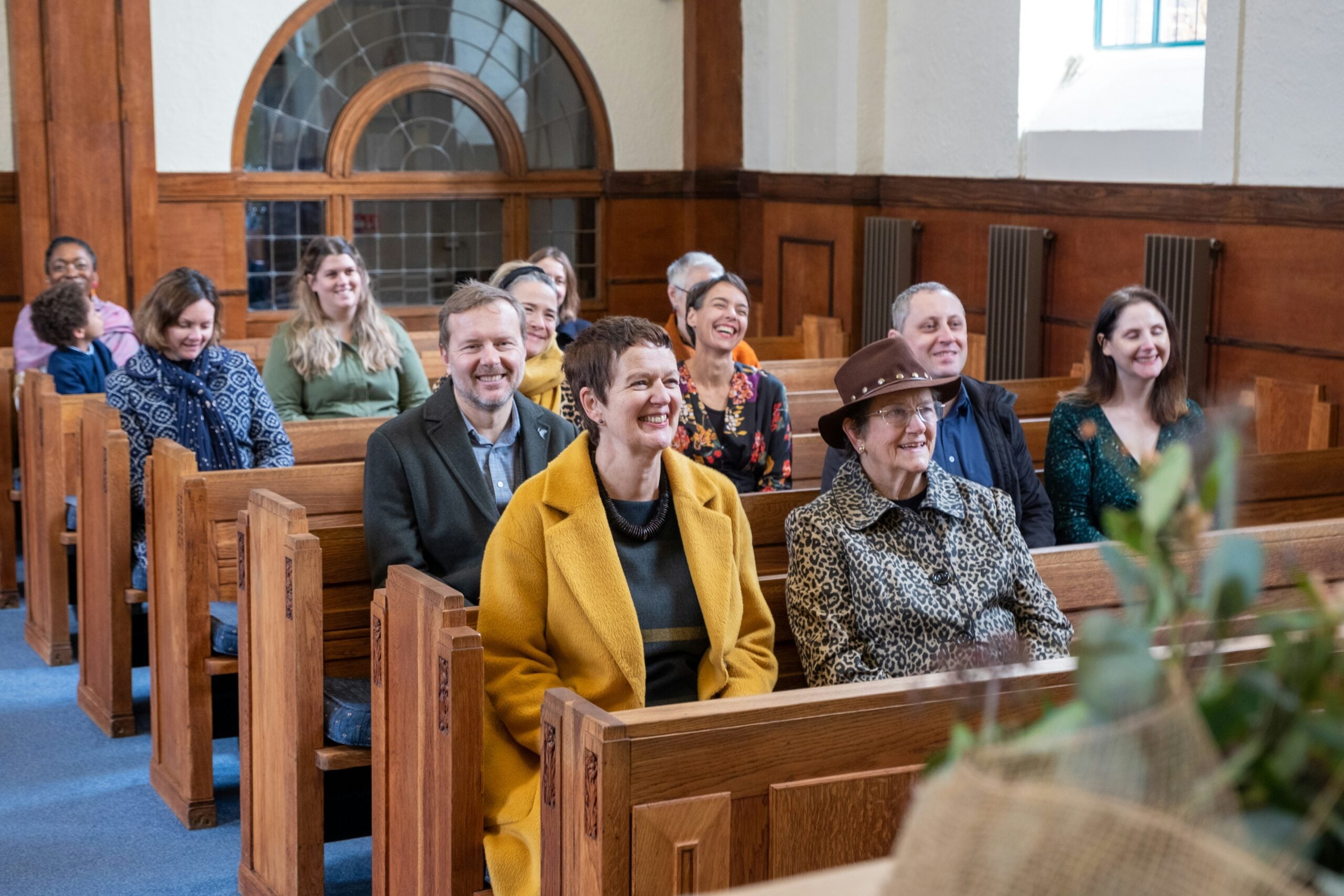
I think a lot about a quote that I saw on social media a while ago that mentioned how plenty of people only stand up and give a speech about how much they loved someone after that person has died.
It’s a depressing thought. But also a true one.
At a funeral, you celebrate a someone’s life, their legacy, and the impact that they had on all of the people who knew them. And for a funeral to take place, the person at the heart of it all has to have died.
Right?
Not necessarily.
It might seem like a bit of a morbid thought, but some people prefer for their funerals to take place before they have died. You might be reading this because you’re in that exact situation yourself, or you might be supporting someone who wants to plan a living funeral before their life ends.
In this article, I’m going to explain what a living funeral is, what it involves, and what you need to think about before planning one.
Living Funeral Definition
A living funeral celebrates somebody’s life before they have died. It offers an opportunity for reflection and gratitude where the person being celebrated is part of the proceedings and gives the people attending a chance to say goodbye in-person.
Living funerals tend to either take the form of a ceremony or a more informal party, depending on the wishes of the person planning the event. As with any funeral, the tone of this type of ceremony can range from quiet and reflective to joyful and boisterous.
Anybody can plan a living funeral, but they are most often organised with people facing a terminal diagnosis, a degenerative illness, or who are just near the end of their life. Having control over your funeral and how you say goodbye can be incredibly cathartic, and a living funeral allows you to be a part of the celebration of your life and legacy.
What Happens at a Living Funeral Ceremony?
There’s no set order of service for a living funeral. It can include whatever you or the person planning it would like, offering total freedom when it comes to living funeral ideas.
Some living funerals follow a similar structure to a classic funeral, and feature things like:
- Music
- A photo or video tribute
- Readings
- A eulogy
- Recollections and memories from friends and family
The key difference with a living funeral is that there probably won’t be a coffin, as the person the funeral is for will be in attendance along with all of the other guests. However, if a coffin has already been purchased in preparation for the death, there’s no reason why it can’t be part of the living funeral ceremony too.
It’s likely that the tone of a living funeral will dictate what happens during it. You might want the ceremony to focus more on gratitude and reminiscing with a celebratory feel, and therefore choose to have people speak about their favourite memories, play positive music, and have the ceremony finish with a party. For more of a cathartic reflection and farewell, you might keep things simple and have a couple of readings or reflections, a ritual, and opportunities for guests to say goodbye.
Many people choose to speak at their own living funeral, giving them the chance to decide on how they’d like to be remembered. Whether you want to deliver your own eulogy or just play a part in the proceedings, it can be a really meaningful way to feel a sense of control over the end of your life and dictate the energy and tone of the ceremony.
Essentially, what happens at a living funeral is totally up to you. You can take inspiration from traditional funerals, but you have the final say in what you want to include and how you want your life to be celebrated and remembered.
Living Funeral Rituals
Rituals are a core part of all kinds of ceremonies, and funerals are no different. They can help to provide a structured space to reflect or grieve and give a sense of significance to an action that can feel very comforting for the people in attendance.
If you’re thinking about what to include in a living funeral ceremony, the following ideas for rituals are a great place to start.
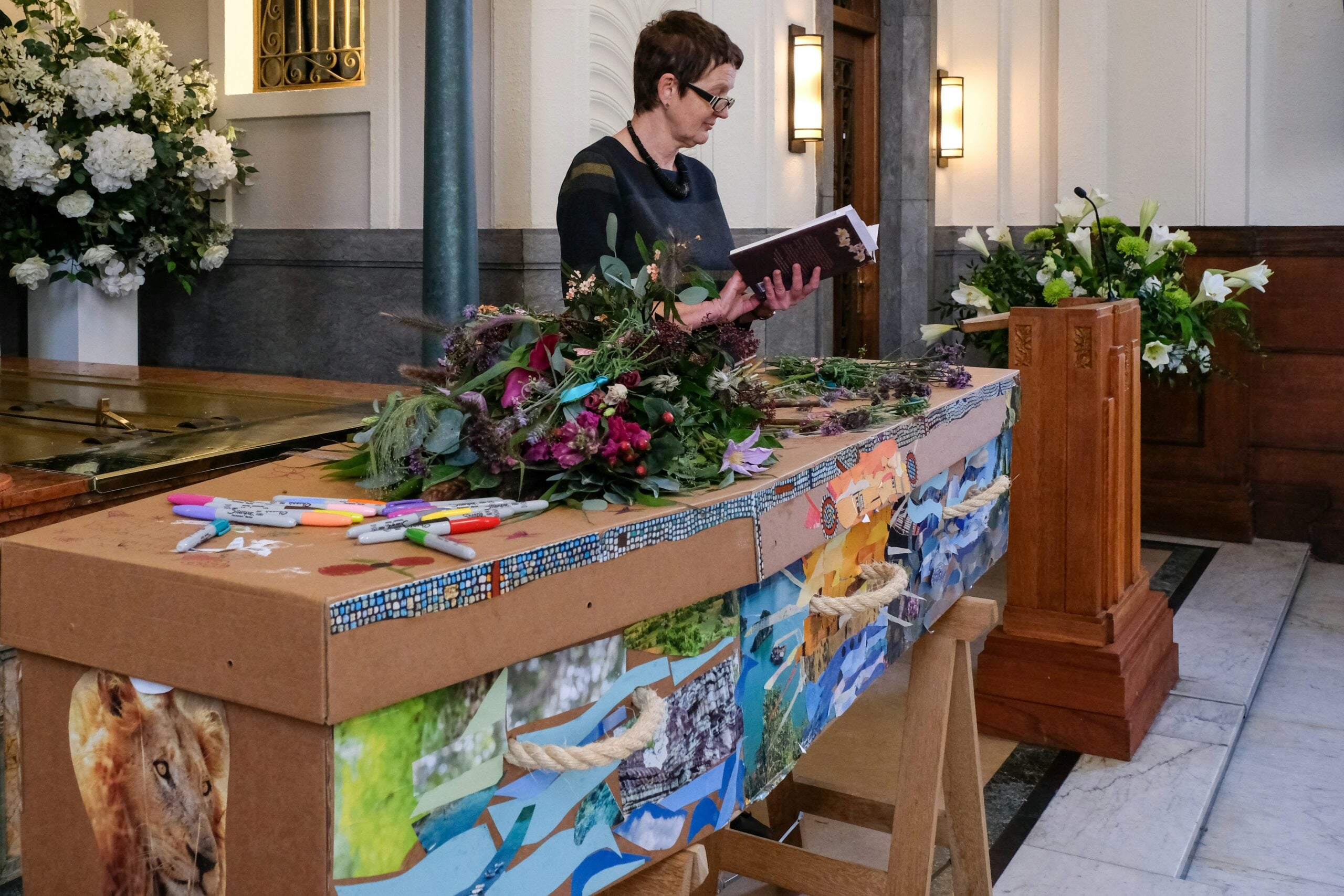
Lighting Candles
Lighting candles is a small ritual that is often associated with remembrance, which makes it an excellent ritual to include in a living funeral ceremony. Not only can the symbolism of light in the dark be comforting, but the process of lighting a candle and then watching the flame can provide a focus point whilst thinking about someone.
There are many ways you can use lighting candles as a funeral ritual. The person who’s funeral it is might choose to light a candle. Every guest might be given a candle that they can take away and light once the person has died. The colour of candle and even the shape and size can also be customised to make this ritual more meaningful.
Planting Seeds
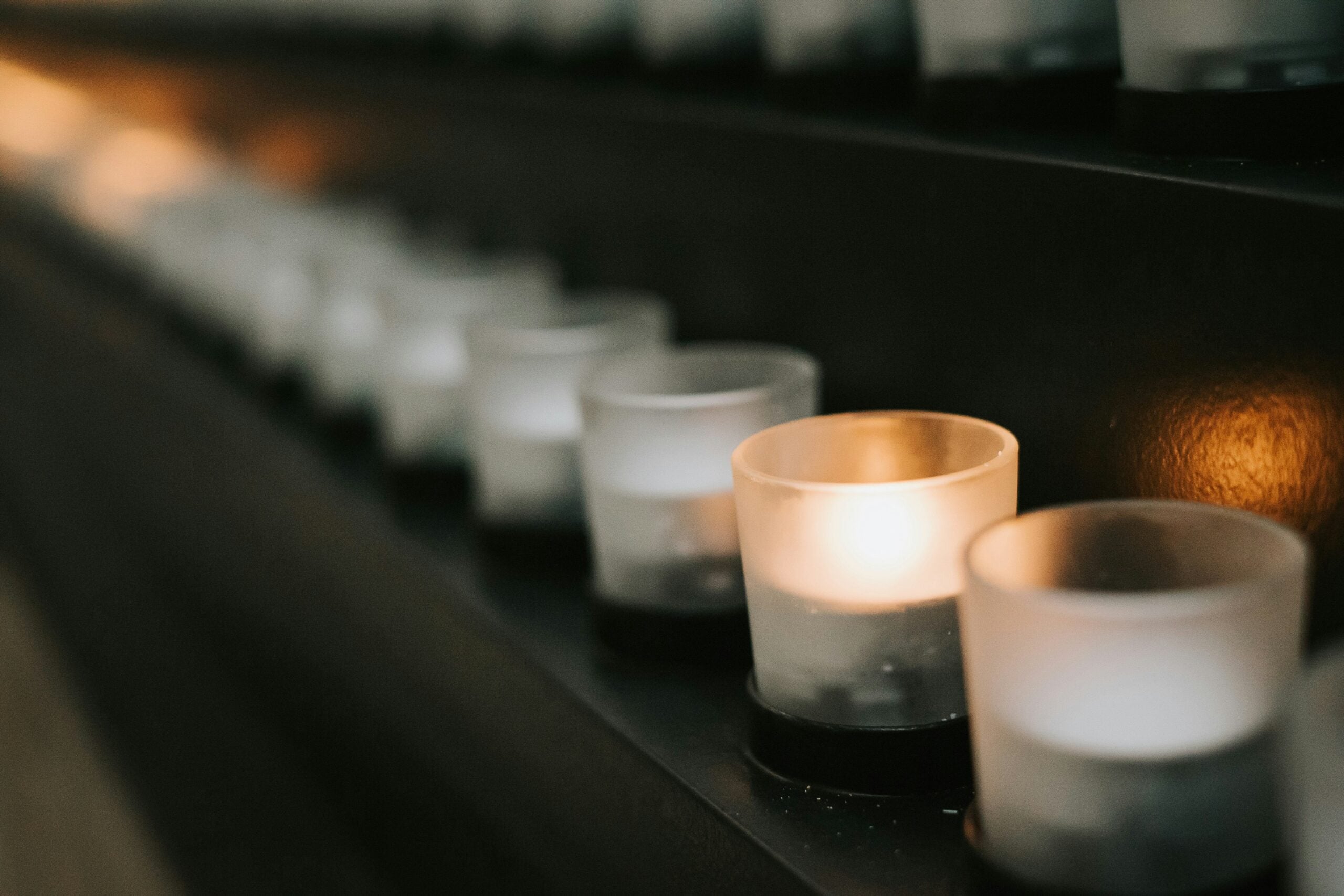
Planting seeds, plants or even a tree is a really meaningful way to give your guests a reminder that life continues even after you have died. But including a ritual where you, and maybe even your guests, plant something during the living funeral, you can create a lasting legacy as well as providing a task to prompt reflection.
Decorating the Coffin
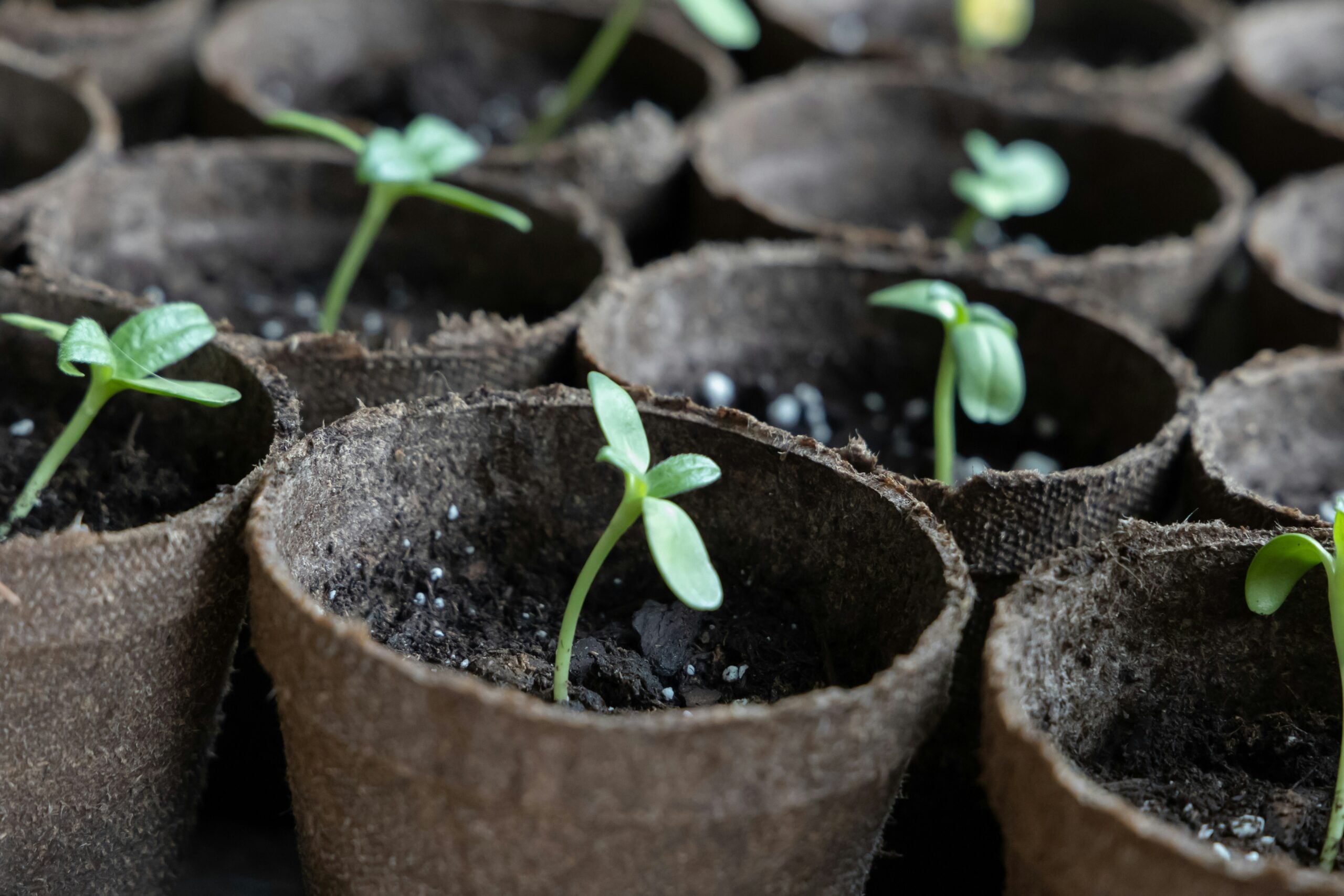
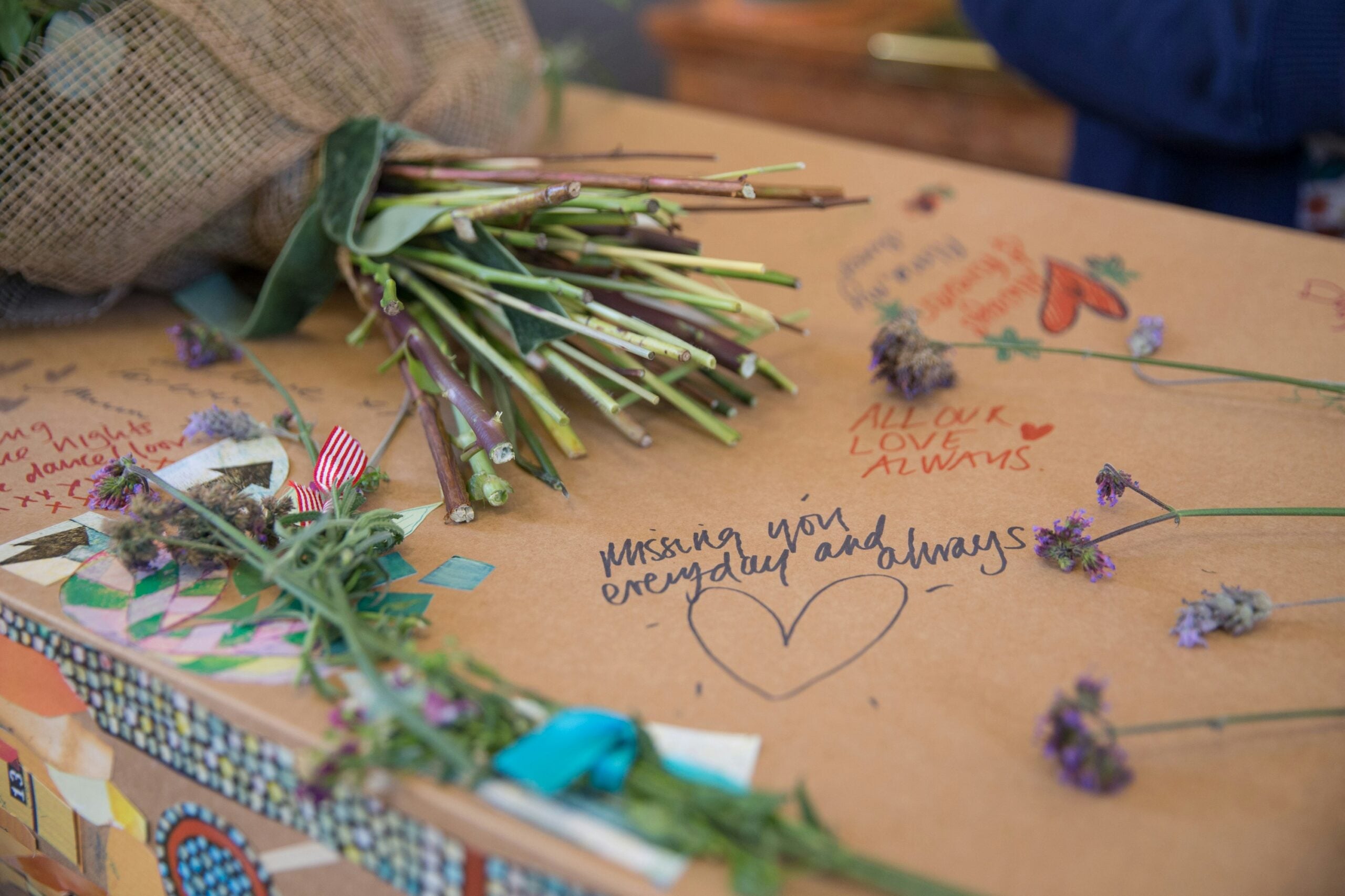
A ritual that has grown in popularity in recent years is personalising the coffin that someone is buried in. This can be done beforehand, but might also be done as part of a ritual during a funeral or living funeral ceremony.
I think that this is an especially good ritual to include in a living funeral, because you can play an active part in preparing the coffin that you will be laid to rest in. However you want to decorate it, whether that’s just with messages from your guests, with photos, or something more creative, it’s a ritual that allows people to add a piece of themselves to an object that will be a key part of your death.
Mindful Crafts
On a similar note, you could include a living funeral ritual where guests are invited to do something creative and mindful with their hands as a way to reflect and feel more connected to you. Things like origami, plaiting threads, or drawing patterns are really good examples, as they are simple to do and can be repeated whenever someone wants to repeat the ritual to feel closer to the deceased.

Dress Code
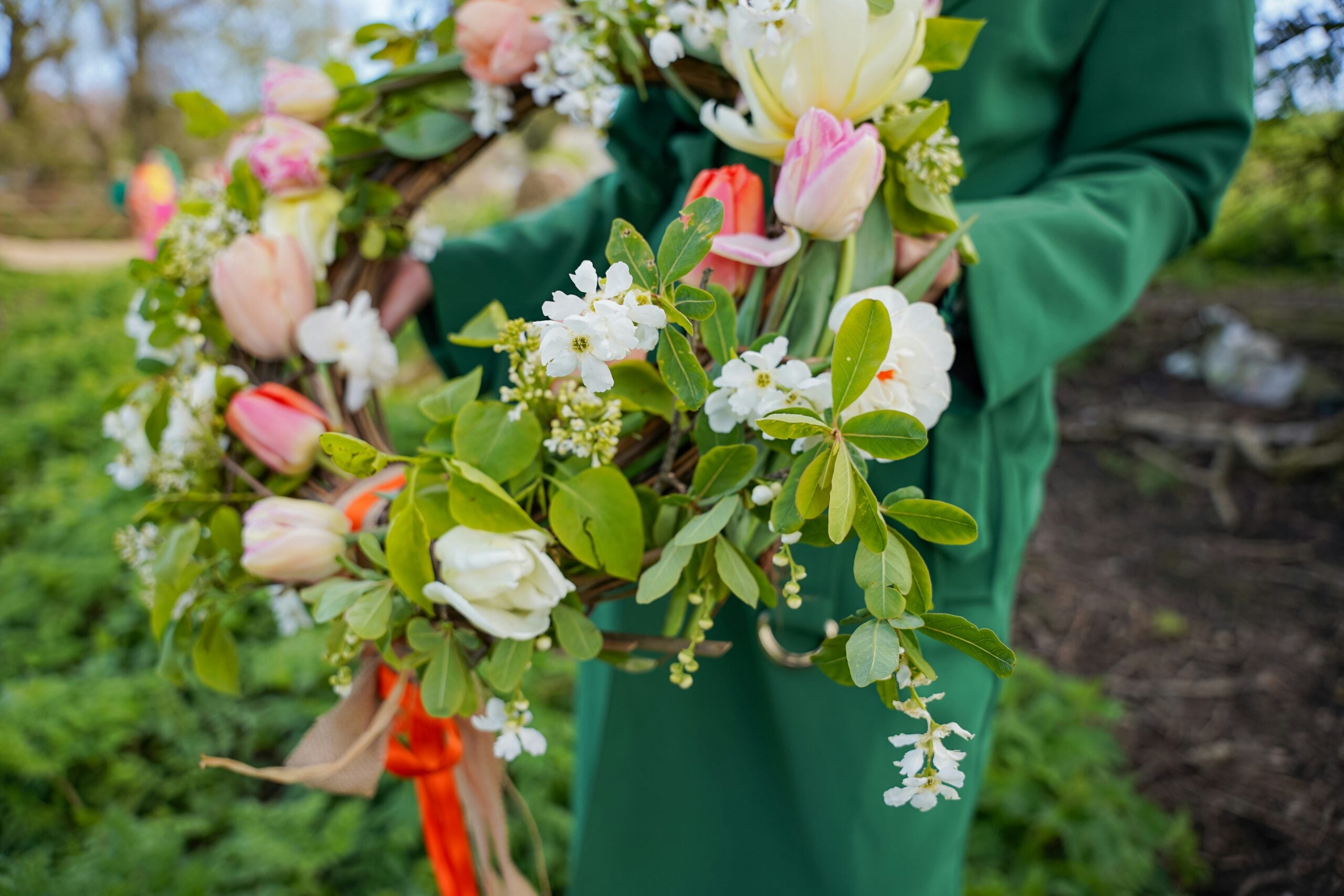
Finally, a simple ritual that you can use for your living funeral is suggesting a dress code that gets all of your guests to wear a certain colour, style of clothing, or accessory. This ritual can be made more interactive by presenting your guests with something to wear, like a flower, a scarf, or a badge, when they arrive at your living funeral, and encouraging them to wear it again to remember you.
How to Plan a Living Funeral
Planning a living funeral can be an emotional process, both for the person who’s funeral it is and the people close to them. It can also feel like a bit of a morbid thing to do, as culturally most people only think of funerals happening once someone has died.
Start the planning process by thinking about these things:
- When do you want your living funeral to take place?
- Where would you like to hold your living funeral?
- How big an event would you like the living funeral to be?
- Who will you invite, and who would you like to involve?
- Are you going to include any living funeral rituals?
- Which music and/or readings would you like to include?
You can lead a living funeral yourself, choose someone important to lead the ceremony, or work with a celebrant to plan and conduct the event. When you choose a celebrant, they will typically often be available to help with the planning process by suggesting what you can include and offering ideas for how to structure the proceedings.
My funeral celebrant services include helping you plan and then leading living funerals, allowing you to have total control over what happens but also taking the pressure off by conducting the ceremony myself.
If you or someone special wants to lead a living funeral, you can also use my ceremony support services. I can work with you to write a living funeral script or eulogy which someone else can then deliver on the day.
What to Say at a Living Funeral
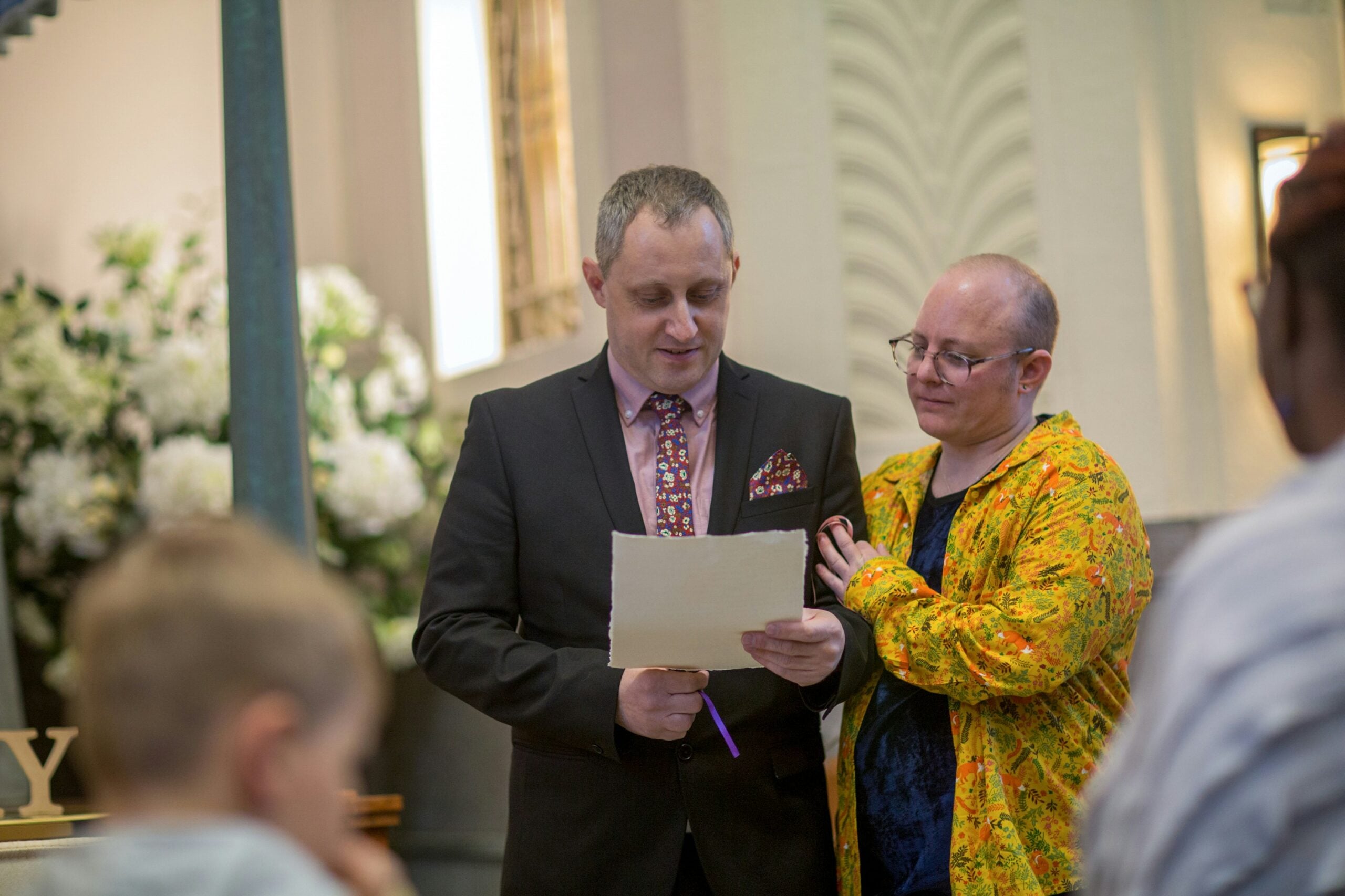
If you’ve been asked to speak at a living funeral then you might feel a combination of pride and pressure. Being asked to contribute to someone’s celebration of life is an honour, but it’s also an important occasion that you don’t want to mess up.
My advice to anyone speaking at a living funeral is to give yourself lots of time to plan what you’re going to say. You might have been asked to recollect a certain memory or provide a tribute to the person who’s funeral it is, which gives you a clear direction for what to write. But you might also have been given free reign, which can be quite daunting.
In either case, I advise drafting your speech, taking a step back, and then editing it until it feels write. Ask for feedback from people who know you and the other person, and practice delivering it so that you feel comfortable.
Eulogising someone who is still living might feel strange, but I really encourage you to focus on giving them a fitting tribute and sharing your thoughts with the other guests. It’s a wonderful opportunity to say what matters and express your gratitude before someone dies, which many people never get the chance to experience.
At the end of the day, if you speak truthfully and from the heart, you’ll do a great job.
You can also use my writing support services if you’re looking for some guidance on what to say.
Want to Find Out More?
Living funerals offer a unique opportunity to say goodbye, both for the person who is dying and their family and friends. Taking control of the narrative surrounding the end of a life can be really positive and empowering, and living funerals are an ideal way to do that.
If you’re thinking about holding a living funeral, or are in the process of planning one, I’d love to talk to you about how I can offer my services as a funeral celebrant.
You can find out more on my funerals page or get in touch with me to set up a conversation.

Leave a Reply