When it comes to wedding rituals, I’ll admit that handfasting is probably one of my favourites.
It’s got spiritual elements.
It’s got historic significance.
It’s got so many options for personalisation.
It’s also got options to get other people involved as well.
Perhaps you’re thinking about including a handfasting ceremony in your wedding, or you’re just wanting to take part in one on its own. You might also just have heard the term thrown around, but actually have no idea what it involves.
Never fear.
In this article, I explain what handfasting is, talk about the history of the ritual, explain what happens in a handfasting ceremony, and also talk about the logistics of making or acquiring handfasting cords.
What is a Handfasting Ceremony?
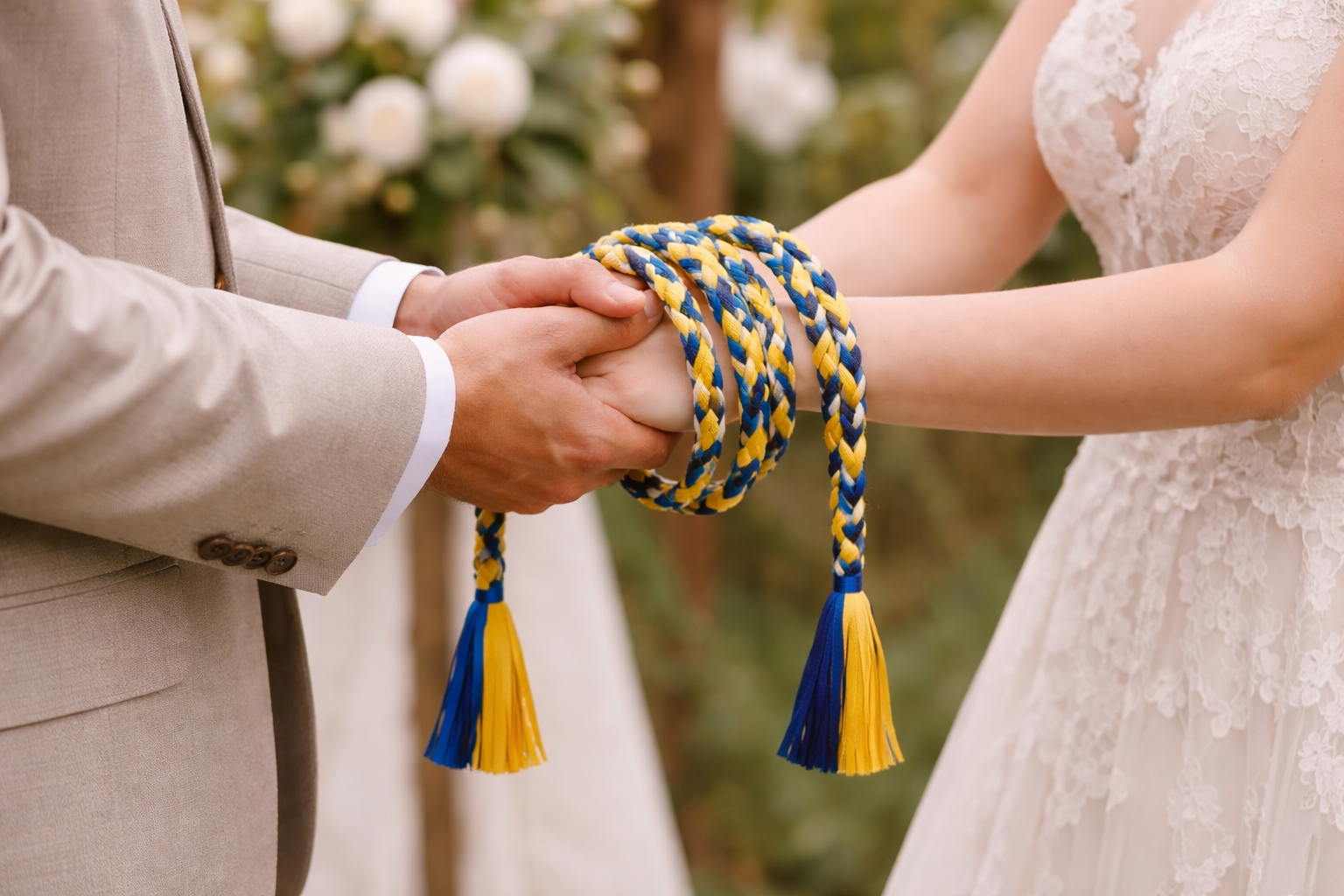
A handfasting ceremony involves two people (although sometimes more!) having their hands bound together with cord or ribbons as a way to symbolise their bond. It’s a ritual that is often featured in wedding ceremonies, although it can be performed as a ceremony on its own too.
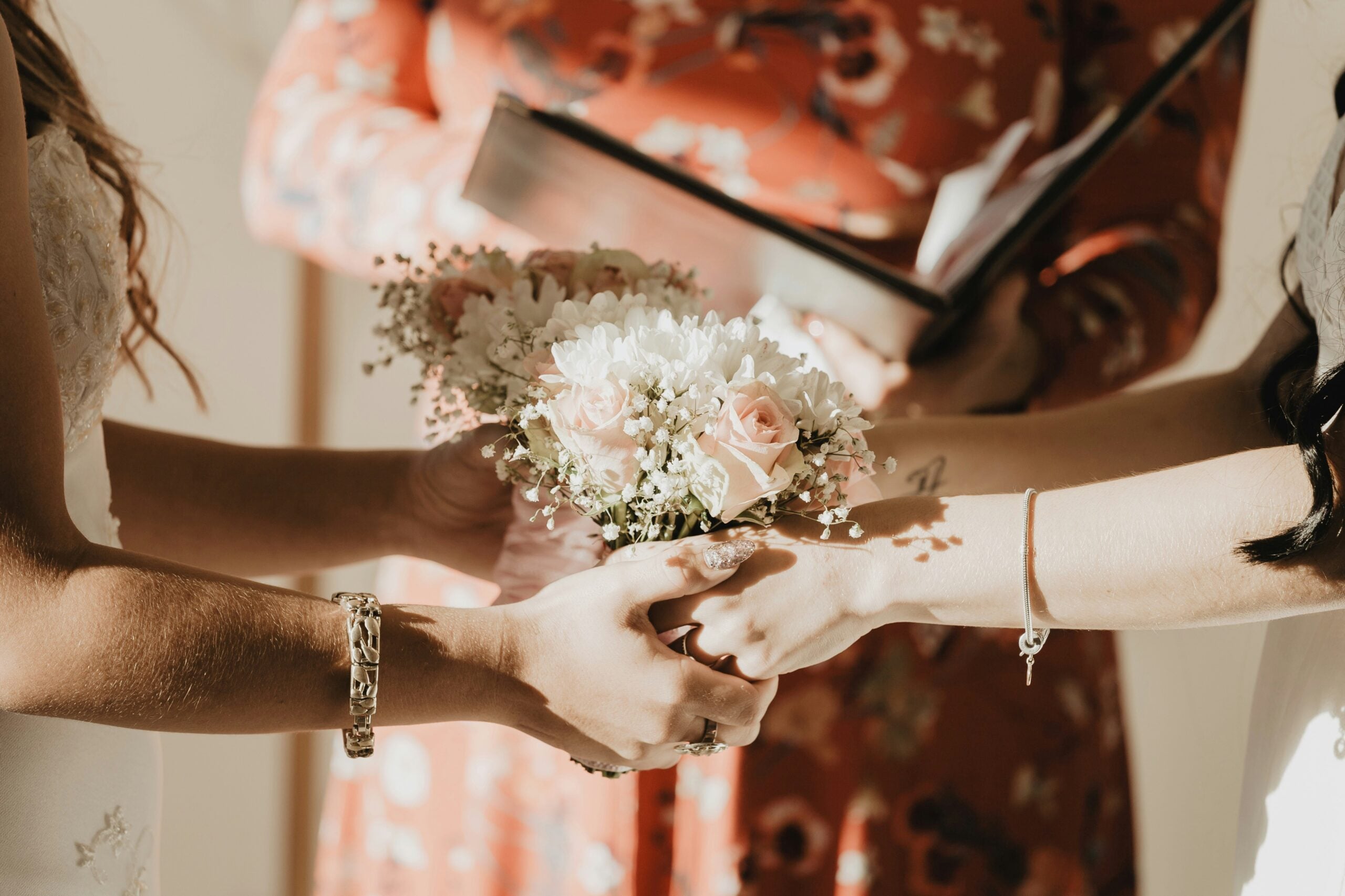
Typically, handfasting involves clasping your hand with your partner whilst someone (or multiple someones) loosely wrap cords around your hands. A blessing may be said over the cords, or you and your partner might exchange vows.
The person leading the handfasting ritual will then help you to tie a knot with the cords. As you remove your hands, the knot is tightened, and you are left with knotted cords that represent the bond between you and the union that the ceremony has created.
As you’ll find out in a moment, handfasting has its roots in spiritual traditions. But as well as a solemn and spiritual ritual, it can also be a fun way to get other people involved in your wedding ceremony and create a lasting memento of the day.
The History of Handfasting
The history of handfasting is a little murky because it is thought to have originated so long ago. There are conflicting ideas about when it was first established and who came up with the ritual, but it’s generally thought to have started as a practice in pre-Christian times, growing popular in the Middle Ages and then becoming popular again with modern wedding over the last decade or so.
There is evidence of handfasting ceremonies in Celtic traditions, where couples performed the ceremony as a way to demonstrate that they were betrothed. In the mid-to-late 20th century, handfasting became popular amongst Pagan, Wiccan and Druidic groups as a way of marking a commitment to a partner.
Whilst the exact practices and meaning of handfasting throughout history isn’t 100% accurate, it is now used as a ritual that symbolising two people being bound together. Plenty of couples include a handfasting ceremony in their wedding, but you can also have a handfasting ceremony without any intention to legally marry and use it as a symbolic ritual instead. You might also choose a handfasting ceremony for a vow renewal or anniversary celebration.
Who Can Perform a Handfasting Ceremony?
Anyone can perform a handfasting ceremony, as long as they know what they’re doing!
But choosing who leads your handfasting ceremony depends on a few other things as well.
If you’re using handfasting as a ritual as part of a wedding or commitment ceremony, you’ll probably want it performed by the same person who is leading the rest of the proceedings. This will typically be a celebrant, but you might have chosen a friend or family member instead.
If you’re choosing a handfasting ceremony because it aligns with your spiritual beliefs and values, you may want to choose someone who shares those values to perform the ceremony. Some celebrants specialise in leading ceremonies with druidic or pagan elements woven throughout, or you might already know someone with handfasting experience who can perform the ceremony for you.
You should choose someone to perform your handfasting ceremony who you trust, whether that’s a professional with handfasting experience or someone that you know personally. If you’re having a handfasting ceremony with a lot of guests, you probably also want to choose someone who is confident speaking in front of a group and who can write an engaging handfasting ceremony script.
How to Do a Handfasting Ceremony
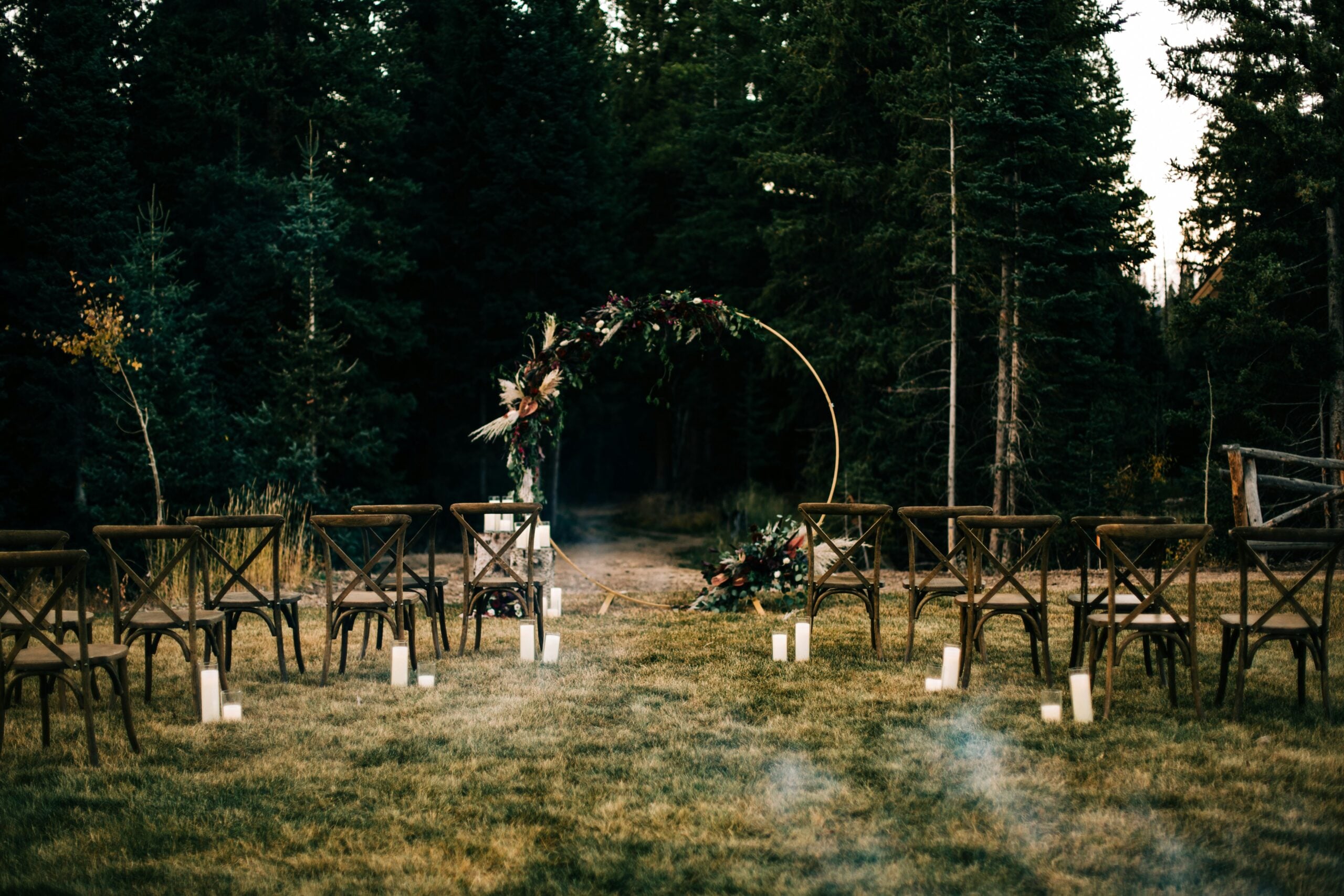
Your handfasting ceremony might take place during a wedding, or it might be conducted on its own. In both cases, you can use the following structure as a guide for what happens during a handfasting ceremony.
Introduction
Most handfasting rituals begin with an explanation of what is going to happen and why the ritual has been chosen by the people involved. The celebrant or person leading the ceremony might give some historic context to the ritual, or they might talk about the symbolism behind it and what handfasting represents.
Presenting the Cords
If you want to do a handfasting ceremony then often what happens next is the presentation of the handfasting cords. This can be very simple, or a bigger part of the ritual.
Some people use only a single handfasting cord, which their wedding celebrant will be holding and use to immediately start the actual hand tying. But other people choose to have their handfasting cords brought to them and placed over their hands by important guests, such as children, close friends, or family members.
If you’ve given some of your guests the responsibility of bringing you your handfasting cords, the celebrant might talk about the significance of these people in your lives. This is also an opportunity for the celebrant to share any personal meaning behind the colours or fabric you’ve chosen for your handfasting cords.
Preparing the Knot
Once the cords have been draped over your clasped hands, the celebrant or ceremony leader will prepare the knot that is going to be tied by you both. This usually means loosely tying the knot and then giving you each the end of a cord.
Blessing or Vows
Some people choose to make vows as part of their handfasting ceremony, which is done just before the knot is tied. You also have the option of a blessing being said over your clasped hands, as a way to solemnise the ritual.
Tying the Knot
Once everything important has been said, the final thing you need to do in a handfasting ceremony is actually tie the knot! This is done by slowly pulling the cords that you have been handed, and then removing your hands as the knot tightens so that you end up with a knotted cord that you are both holding the ends of.
How to Make Handfasting Cords
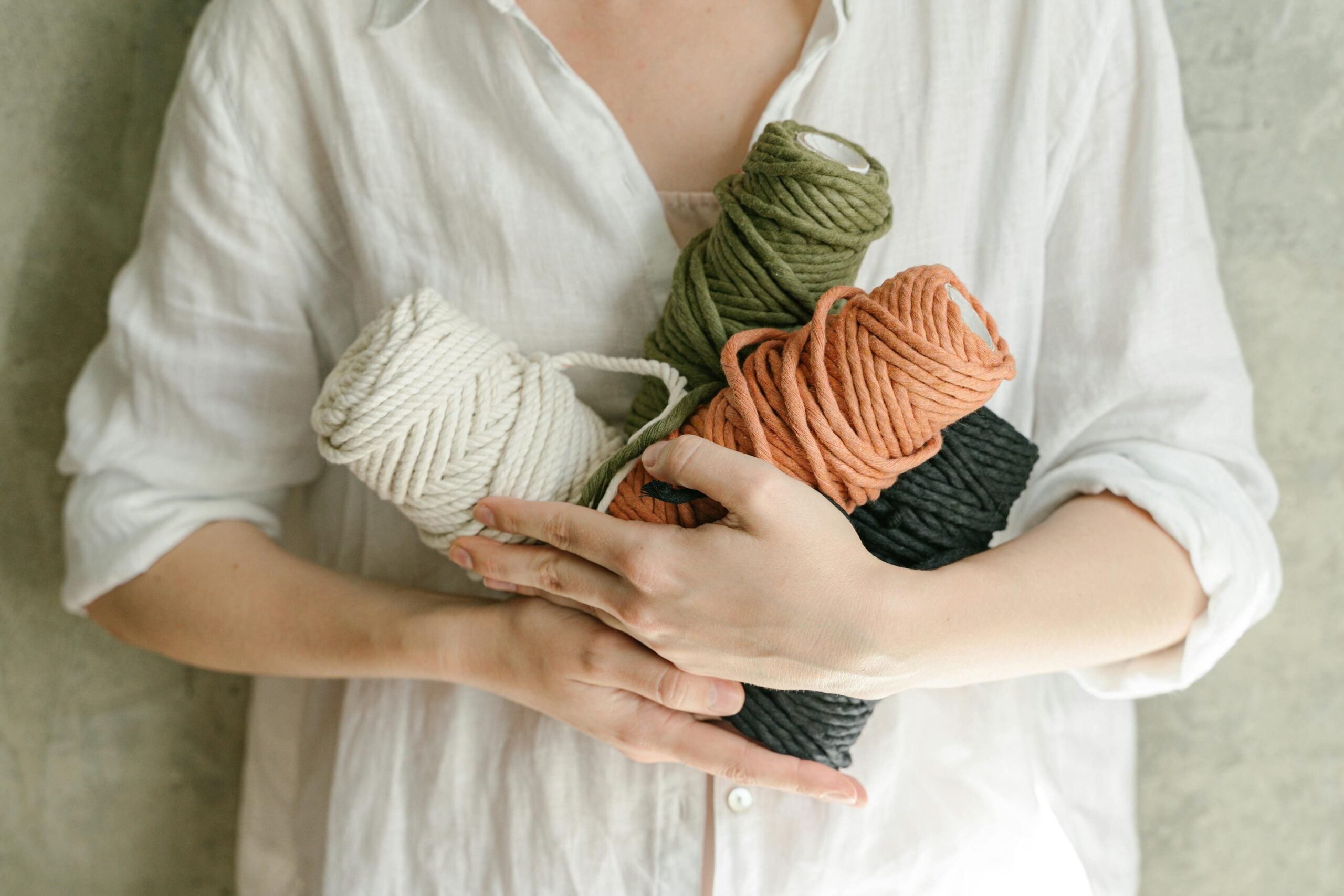
You’ve got plenty of options when it comes to deciding what material you’re going to use for your handfasting cords. Some celebrants might offer to provide you with cords, but in most cases the couple choose or make the cords themselves.
One of the most straightforward options is to use rope, either plain or dyed a particular colour. Coloured handfasting cords are often used for ceremonies where multiple cords are used to bind people’s hand together, with particular colours chosen for their symbolic meaning.
Your cords might fit with the colour scheme of your wedding, they might be classic colours associated with love like red, pink, white or yellow, or they might have a personal meaning to you and your partner. There are plenty of stores that sell cords specifically for handfasting, or you can source dyed rope yourself.
As well as rope or cord, handfasting can be done with ribbon or strips of fabric. If you come from a culture that has ties to a particular fabric, such as tartan for Scottish families, you can add another layer of meaning to your handfasting ceremony by using this.
Another option is to buy a woven handfasting cord that has been made by someone else. These cords often use multiple strand to create a single, thicker and more intricate cord that is use for handfasting and might also include embellishments like charms, flowers and crystals.
It’s worth nothing that there are plenty of tutorials for DIY handfasting cords available online. So if you’re crafty and looking to stick to a budget, you should definitely give making the cords yourself a go.
How to Display Handfasting Cords
One of the lovely thinks about handfasting as a ritual is that it gives you a permanent reminder of your ceremony. The knot that you tie will remain (unless you decide to untie or cut it) which means that it can be displayed if you’d like.
A popular way to display handfasting cords is to trim the cords so that only the knot remains and then place this knot within a frame. You might also tie the cords above a fireplace or on a mantlepiece, or wrap them around a beam or column in your home to display them.
Looking for a Handfasting Celebrant?
If you like the idea of a handfasting ceremony then you’re probably going to need someone to lead that ceremony for you.
That’s where I come in.
I’m an independent celebrant trained in conducting handfasting ceremonies, either on their own or as part of a wedding, vow renewal, or commitment ceremony. Not only will I lead you through a handfasting ritual, but I’ll also write you a creative, personal and moving ceremony along with it.
Get in touch if you’d like to find out more about what I offer as a celebrant, or take a look at the ceremonies of love that I can include a handfasting ceremony in.
Leave a Reply