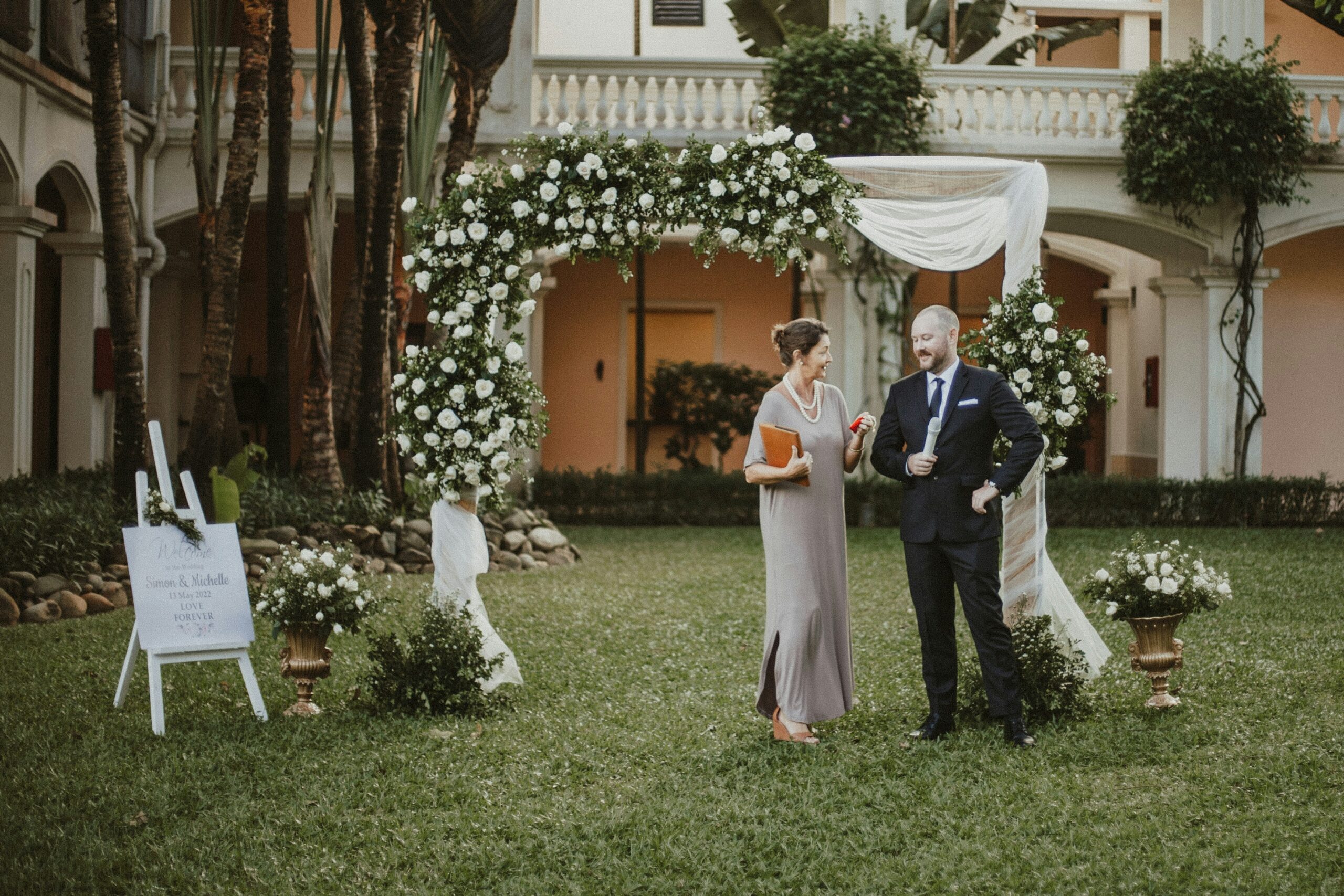
Most people will have attended at least one wedding ceremony at some point during their lives.
But what this ceremony actually looks like will vary massively from couple to couple.
A typical wedding ceremony is a formal event where two people declare and affirm their commitment and enter into the union of marriage.
The legal aspect of this is pretty controlled, but the rest can involve anything from a short series of vows to a full-blown musical performance.
If you’re on this page, you’re either browsing through all of the content on my blog, or you’re in the process of planning a wedding ceremony and wondering what you should include.
Either way, I’m very glad that you’re here!
In this article, I’m going to share plenty of ideas about parts of a wedding and what you can include in a wedding ceremony and explain how you can personalise them to create an event that feels unique to you and your partner.
Types of Wedding Ceremony
Before we dive into a list of wedding ceremony ideas, I thought it might be useful to explain the different types of wedding ceremony that you can have.
Religious Wedding Ceremonies
A religious wedding ceremony is held in a place of worship and officiated by a member of a religious organisation. In terms of the components of a wedding ceremony, it follows a particular script that is dictated by religious practices and tradition, and will often include religion-specific rituals as part of the ceremony.
In the UK, Church of England, Quaker and Jewish marriage ceremonies can all be legally binding when performed in line with the relevant requirements. For other religions, the legal requirements must also be complied with in order for the marriage to be legally recognised.

Civil Ceremonies
The alternative to a religious wedding ceremony is a civil ceremony, which is conducted by a registrar and must take place in a register office or licensed venue. This ceremony must include specific spoken vows and have at least two witnesses, and can also include some personalised elements such as music or readings.

Celebrant-Led Wedding Ceremonies
Here’s where I come in. If you’re not having a religious ceremony or a legal ceremony led by a registrar, you’re most likely looking at a wedding ceremony that is led by a celebrant.
A celebrant-led wedding ceremony isn’t legally binding, so if you want to be legally married to your partner then you will need to have a religious or civil ceremony as well. The reason that plenty of couples choose to have a wedding ceremony outside of the legal process is that it gives you total freedom to choose what you include, as well as where it takes place.
What are the Different Parts of a Wedding Ceremony?
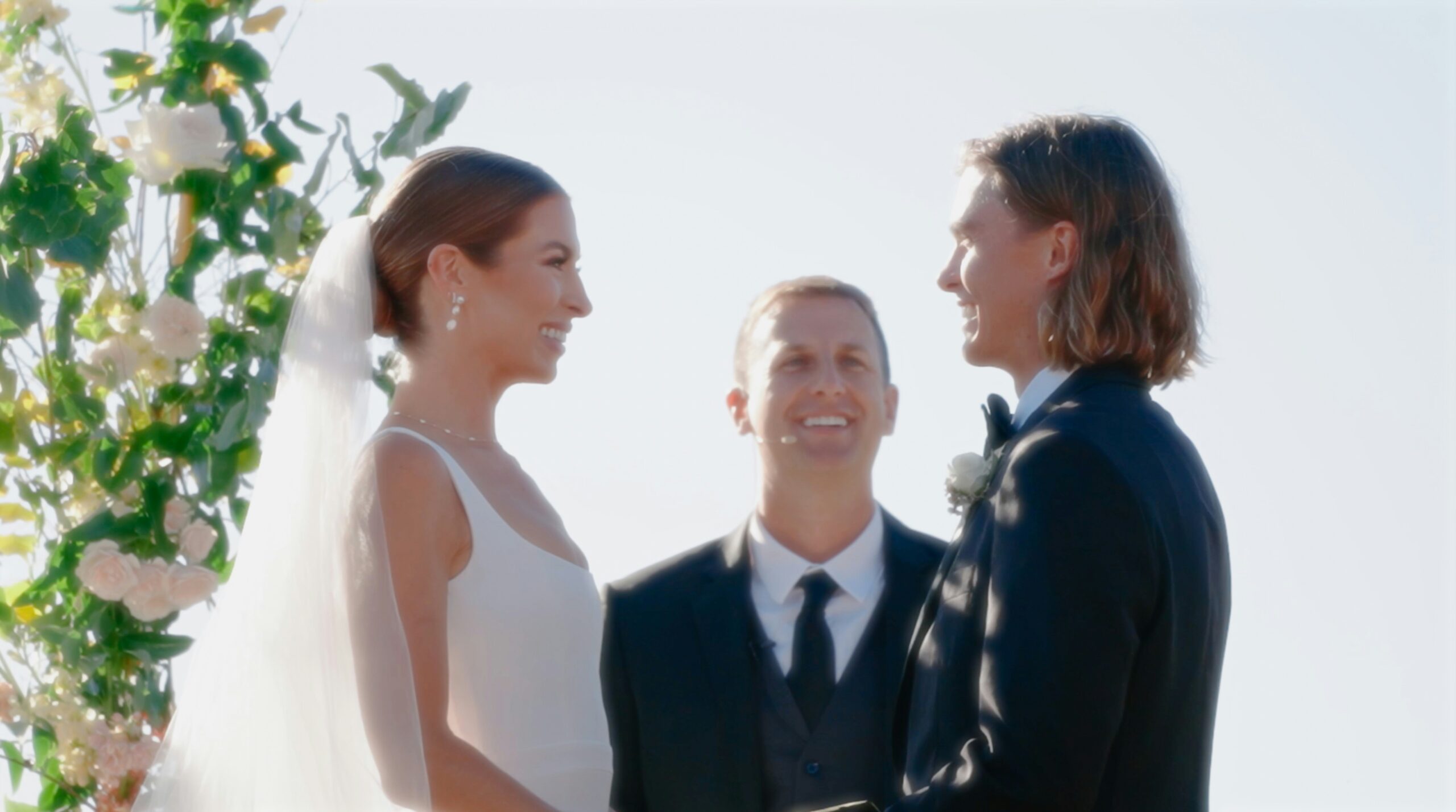
I’d like to preface this section by saying that I’ve chosen quite a standard wedding ceremony structure below to discuss what you might want to include in yours.
As a wedding celebrant, the most important thing I want you to remember is that you can do your wedding however you want. You don’t have to follow an expected series of events, or include any of the parts of a wedding ceremony I’m going to talk about below.
But if you’re starting from a blank slate, this will probably be quite a useful springboard for your ideas.
Entrance
The entrance is usually the first part of a wedding and how a wedding ceremony begins. It might involve one or both members of the couple entering the space, either separately or together.
Traditionally, a bride makes a grand entrance to a wedding ceremony, often accompanied by music and surrounded by bridesmaids. It’s also a tradition for a bride to be walked down the aisle by her father, who then ‘gives her away’ once she reaches her soon-to-be husband.
If that’s what you want, fine.
But there are SO many other options!
First of all, think about what both of you are going to be most comfortable with.
- Are you comfortable making a grand entrance, or would you rather just start the ceremony by standing up and getting going?
- Instead of entering separately, what about entering together?
- If one or both of you would like an entrance, are you going to do it to music? Are you going to tell your partner what the music is, or let it be a surprise?
- If you are making an entrance, is there anyone you would like to make it with you? A parent? A friend? Your pet?
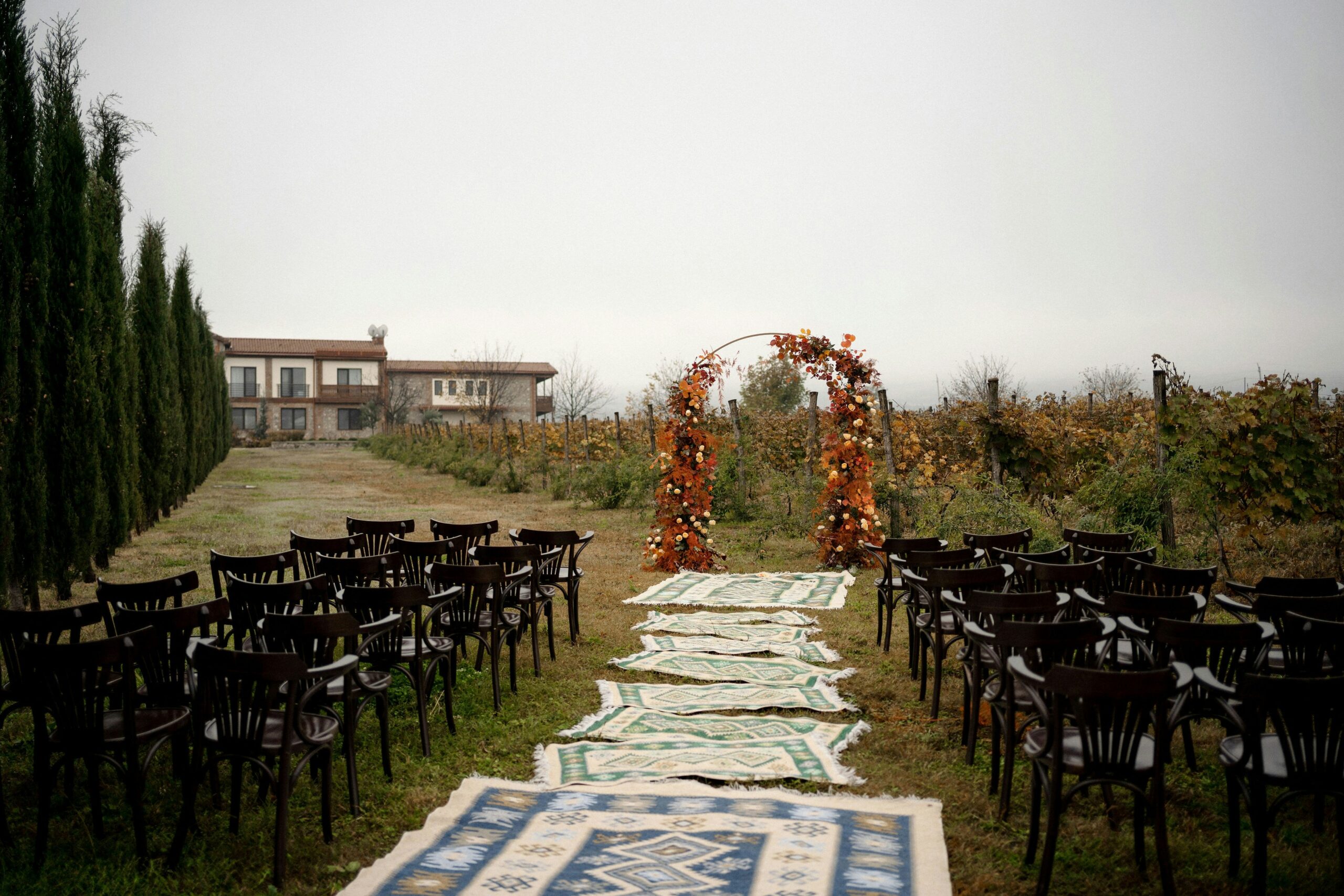
It’s easy to think about ‘walking down the aisle’ when you’re picturing an entrance to a wedding, but this is also something you can get creative with. Depending on your venue, your entrance might be from the front, back or side of a space, and involve walking to the spot you’re going to stand for the ceremony, or no walk at all.
And of course, if you’re outside then you’ve got total freedom about how and where you make an entrance, if you’re going to make one.
If you’ve always pictured your guests turning around and smiling/gasping/crying as they watch you arrive at your wedding ceremony, then you already know what kind of entrance you’d like. But if you’re not so sure, there are plenty of different factors to consider.
Readings and Music
Readings and music are core components of a wedding ceremony that can be included at any point, allowing you and your partner to take a break from standing and speaking, and allowing selected guests to play a part in your wedding.
In a traditional church wedding, everyone would sing hymns together and there might be a few readings from the Bible, as well as a sermon from the clergy member conducting the ceremony. These traditions have definitely influenced why a lot of couples still choose to have music and readings in their ceremony, but in a celebrant-led wedding, you’ve got free reign over what you’d like to include.
A great way to put your personality as a couple into your wedding ceremony is through the music and/or readings that you choose. There’s nothing I hate more than a generic love poem being read at a wedding, and I really encourage my couples to think about picking something that feels personal to them and communicates a little piece of their love story to their guests.
How about:
- A poem that reminds you of your partner
- The soundtrack to a movie or show that you both love
- A quote from a favourite book
- A piece of music from a key moment in your relationship
- A speech from a favourite or meaningful film or TV program
- A message that one of you sent about the other
- A piece of creative writing that you have asked a friend or family member to compose
If you’re going to have wedding attendants or a wedding party, readings are a great way to get these people involved in your ceremony. Just make sure you choose someone with a good public speaking voice!

Vows
In a celebrant-led wedding, vows serve a different purpose to in a legal marriage ceremony.
For a legal marriage, you and your partner have to repeat certain words in order to declare that you are able to marry and that you consent to entering into a union together.
When it comes to making vows outside of this, it’s totally up to you about what you want to say.
- Some couples like to use vows as a chance to write and then share a heartfelt speech about their relationship, their partner and their hopes and promises for the future.
- Some couples choose a ‘repeat after me’ style for vows, where the celebrant leads them in making promises to each other.
- Some couples just get their celebrant to outline the purpose of the wedding ceremony and the commitment being made, and will respond with something like ‘I do’ or ‘I will’.
- Some couples choose a mixture of all of the above!
Again, I would really encourage you both to think about what you’re most comfortable with. If neither of you enjoys public speaking or sharing your feelings in front of other people, then you really don’t need to suffer through grand and romantic vows.
If you are choosing to write your own wedding vows, a celebrant like me can also offer writing support services to help you craft something really beautiful for the occasion that fits in with the tone of the rest of your ceremony.
It’s also important to remember that you don’t need to include vows in your wedding ceremony script at all, if you don’t feel like it.
You could also choose to make your vows to each other in private before or after the ceremony, attended by just your celebrant or a much smaller group of guests.
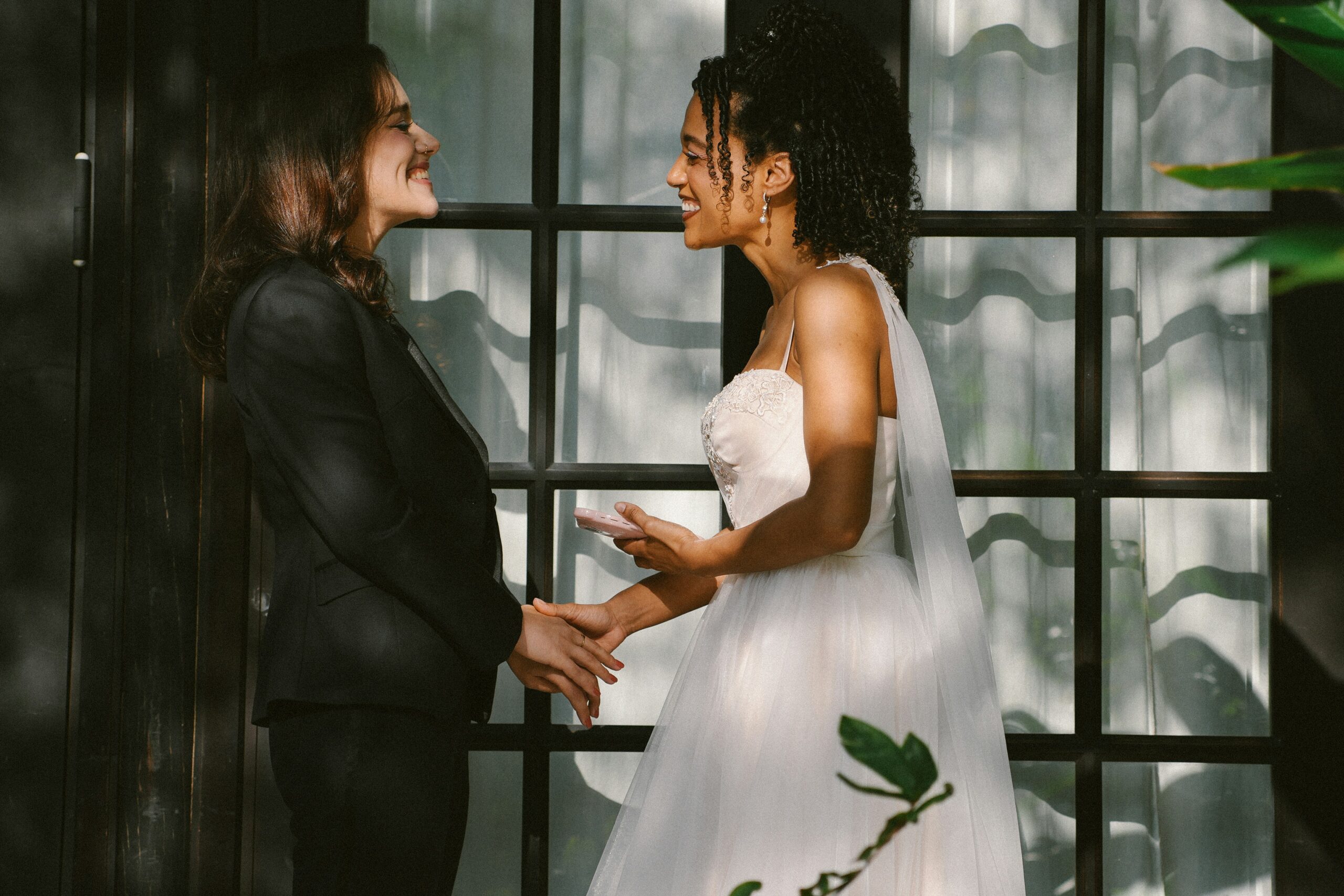
Rings and Rituals
The exchanging of rings is a traditional ritual that is included in a lot of wedding ceremonies. In this ritual, a couple will give each other a ring to wear as a symbol of their commitment and a reminder of the vows or promises that they have made during the wedding ceremony.
You might really like the tradition and meaning behind this ritual and want to include it in your ceremony. You might also just want to wear a wedding ring, and your ceremony is a good place to start doing this.
There are so many different ways that you can conduct a ritual that involves wedding rings, from a simple exchange to making vows as you place the rings on each other’s finger. You can also combine a ring exchange with hand tying, blending two different rituals together.
If you don’t want to include rings in your wedding, or would like to have another ritual as part of the ceremony, there are lots of different things you can choose from. Some of these are modern rituals that are popular choices for weddings, whilst others are influenced by traditions and cultural practices.
Here’s a snapshot of ideas:
- Ring warming
- Hand tying or handfasting
- Sand ceremony
- Drink mixing
- Lighting a candle
- Planting a tree or flower
- Quaich ceremony
- Making vows with an oathing stone
- Tea ceremony
Rituals are another wonderful way to make your wedding ceremony feel more personal, especially if you’re choosing something that has cultural or spiritual significance.
The list I’ve shared above is really only the tip of the iceberg, and remember that you and your partner can also create your own ritual to perform at your wedding as well!

Exit
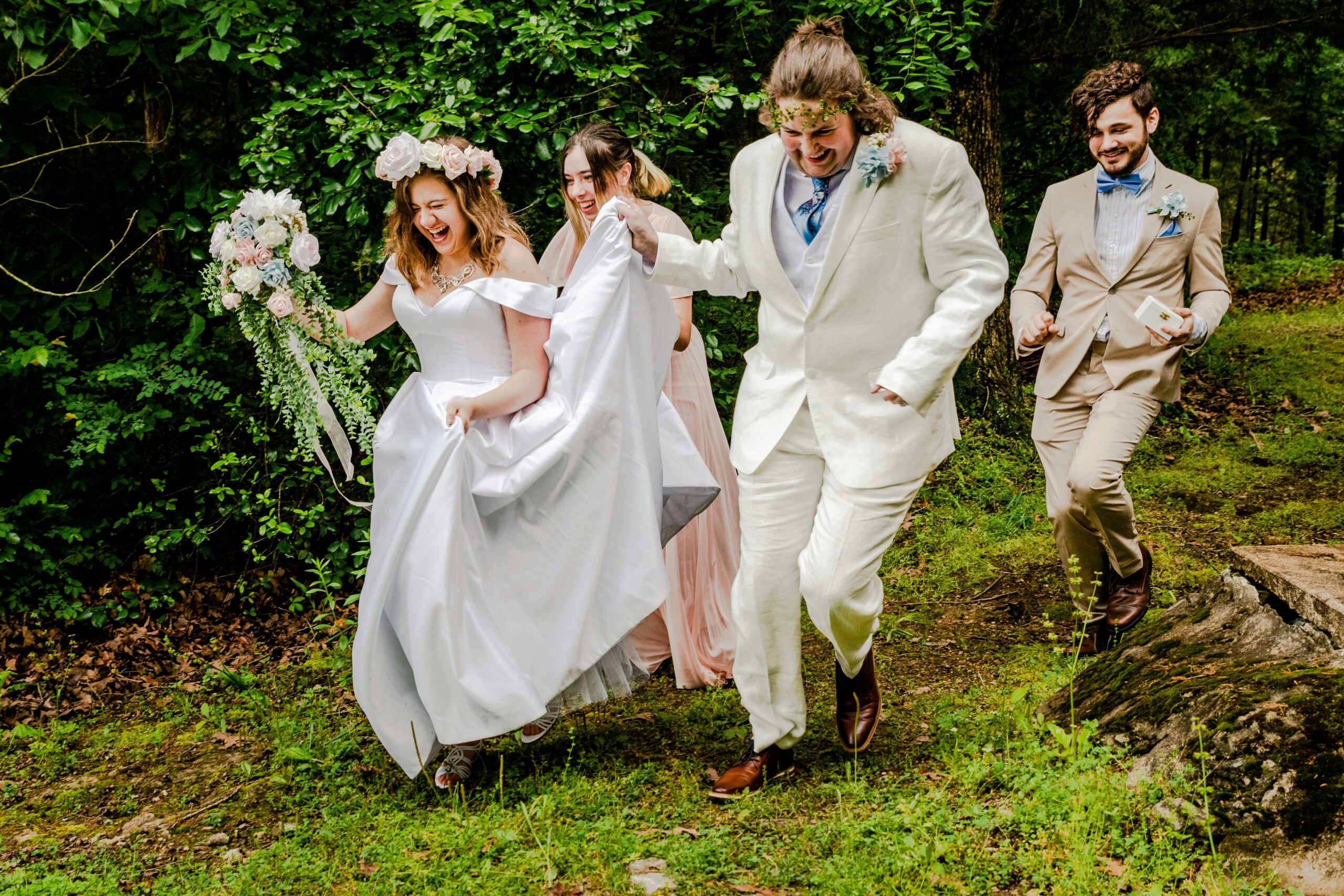
At the end of your wedding ceremony, you and your spouse have the option to exit the space together as a kind of grand finale. How you do this, and where you go next, is up to you.
First of all, think about whether you’d like to have music accompanying your exit. It’s another brilliant opportunity to include something sentimental or that captures your energy as a couple.
If you’ve chosen a wedding party, they might join you as you exit the ceremony, so think about whether anyone else will be involved as well.
For couples who want to capture that classic confetti toss photo, your ceremony exit is a popular place to do just that. But there’s also no reason why you can’t get your guests to toss confetti later on in the day if you have another exit idea in mind.
Your exit might be dictated by the other events that you have planned after your wedding ceremony. If you and your partner are going to go and have photos taken, food and drink are going to be served elsewhere, or just both just want to take a moment alone, then your exit can work around your next steps.
Of course, you might want to stay in the space where your wedding ceremony has taken place, especially if you’re in a venue that is being used for the entire event. In which case, instead of exiting the room, you might opt for something else to close the ceremony and signify the end of this part of your big day.
How about:
- A slideshow of photos
- Getting all of your guests to join together in song
- Serving drinks for a toast
- Live entertainment
- An interactive game to get your guests talking

What Should be Included in a Wedding Ceremony?
Now you have an overview of the different parts of a wedding ceremony, you’re hopefully feeling a bit better informed about what you can include in one.
Once again, I’m going to remind you that, at the end of the day, the only things you ‘should’ be included are things that you and your partner really want. Your wedding ceremony is a chance to celebrate your relationship and your story, and you shouldn’t feel like you have to include anything that doesn’t feel right for the both of you.
To offer a bit of structure to all of that choice though, here’s a checklist of elements you might want to include.
- Arriving at the ceremony
- Entering the space
- Meaningful music, readings or performances
- Making vows to your partner that reflect your commitment to each other
- Performing a ritual to symbolise your union
- A conclusion to the ceremony
- Transitioning to the next part of the day
How to Plan a Wedding Ceremony
This article has given you a lot of information about what your wedding ceremony might include. But how do you actually go about planning it?
It’s a good idea to first take some time with your partner to discuss your preferences, anything you really want to include, and anything you’d really like to avoid. This is also a good chance to talk about any other people you’d like to be involved in your ceremony, including who is going to lead it.
If you’re choosing a celebrant-led wedding then the great news about planning your ceremony is that your celebrant is there to help you. They’re the one who is responsible for writing the wedding ceremony script, and it’s their job to take your ideas, go away, and produce a ceremony that fits the brief you have given them.
So don’t worry too much about how to plan a wedding ceremony. You just need ideas, and your celebrant will do the rest.
And if you’ve got a friend or family member in mind who you’d really like to lead your wedding ceremony don’t panic either. I offer ceremony writing support services to couples even if they’re choosing someone else to do their wedding ceremony, meaning that I will help you plan and put together your script ready for someone else to read on the day.
Your Wedding. Your Way.
Celebrant wedding ceremonies are all about you, your story and your preferences as a couple. When it comes to what to include, everything should link back to you and your one-of-a-kind connection.
If you’re looking for a wedding celebrant who will create the perfect ceremony, you’re in the right place. My ceremonies are creative, inclusive and deeply personal, celebrating your love in a way that feels authentic to you both.
Find out more about what I offer as a wedding celebrant, or get in touch for a chat about your perfect ceremony.
Leave a Reply