
Wedding ceremonies and traditions go hand in hand.
After all, people have been celebrating their love and commitment to each other for centuries. And across the centuries, certain rituals, superstitions and actions have become embedded in our cultural understanding of what a wedding involves.
The problem?
When your idea of what happens at a wedding is shaped by old-fashioned practices and other people’s ideas, it can be tricky to unpick what you actually want to include. And then you can end up with elements of your wedding that don’t really feel like you.
There’s nothing wrong with including wedding traditions in your special day. They can be a wonderful way to connect with the significance of your ceremony and aspects of your culture.
But it’s important to know that you don’t have to include wedding traditions that you don’t like. Even if you’ve seen them done by other married couples.
Here are nine classic wedding traditions from western culture, to help you decide if you’re going to choose or avoid them in your wedding ceremony.
Something Old, Something new, something borrowed, something blue
This old English nursery rhyme lists things that are supposed to bring a bride luck on her wedding day. Many people still try to follow these suggestions when they’re putting together a wedding outfit, with the ‘something blue’ often being a particularly important aspect.
Bride or not, incorporating each of them into your wedding outfit can be a fun tradition that allows you to wear items of significance when you get married. But if you’re not fussed about taking instructions from a poem, you don’t need to worry about ticking each of the boxes!
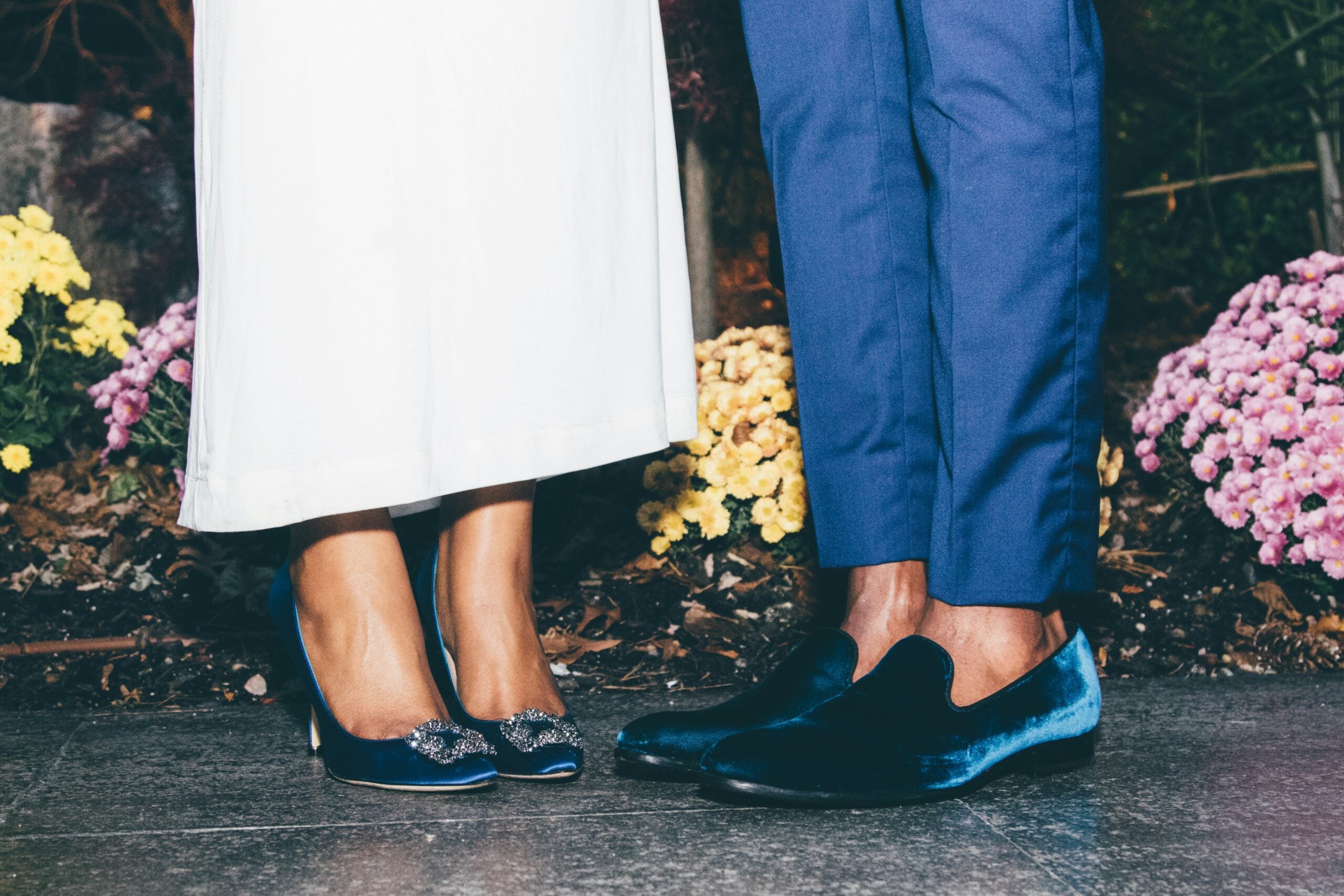
Wearing White
In Western culture, the wedding tradition of wearing white, specifically for brides, was heavily popularised in the Victorian era. Since then, wearing a white outfit to get married in has been a long-standing wedding trend.
There are plenty of stories about where the tradition of a ‘white wedding’ originally came from. But the significance of the colour can be attributed to many things, from its associations with purity to the fact that white clothing can be easily stained, which indicates that the wearer is rich enough to afford to clean it!
Want to wear white on your wedding day? Go for it!
Want to wear a different colour instead? Also absolutely fine!
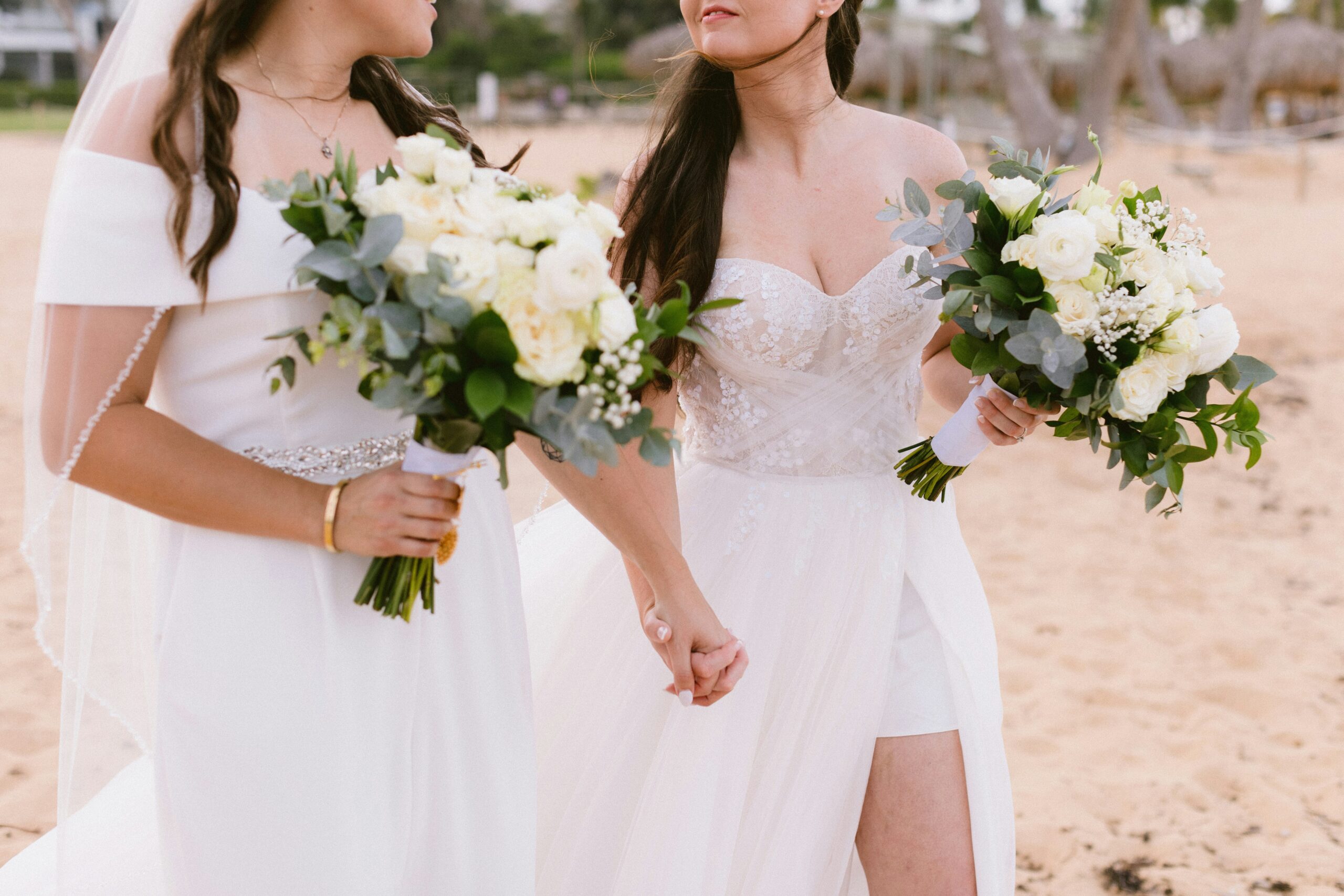
A ‘first look’
Having a ‘first look’ of your soon-to-be spouse on your wedding day comes from the era of arranged marriages. Back then, a bride and groom often didn’t see one another until their wedding ceremony, so the moment when they locked eyes on each other at the start of the ceremony was actually their first look at the person they were going to marry.
Keeping apart from your partner in the lead-up to your wedding before a big reveal can be a lovely way to build excitement, especially if you’re keeping your outfits a secret. But if you’d rather spend the night before together and get ready together, then it’s a wedding tradition that you can totally ignore!
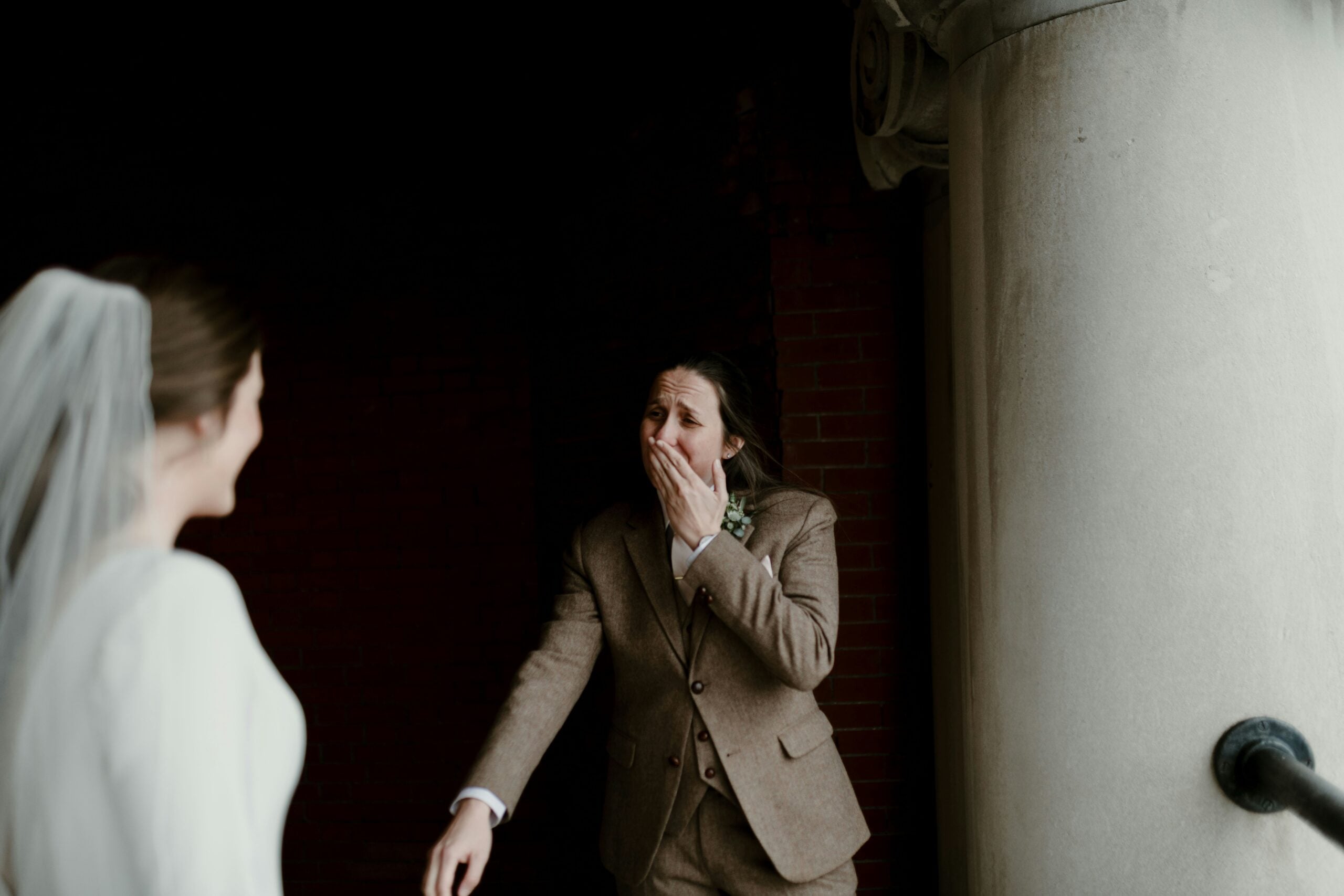
Sides of the wedding venue
Traditionally, guests of the bride sat on the left during a wedding ceremony and guests of the groom sat on the right, to mirror the way that the to-be-wed couple were supposed to stand. This used to be because it would allow the groom to keep his sword hand free for fighting at a moment’s notice, should anyone try and disrupt the wedding.
If you’re trying to make your seating plan smoother, allocating sides of the wedding venue to your friends and family can be a good way to help direct people to the right place. Or you can simply encourage your guests to choose their own seats and mingle whilst they witness your wedding.
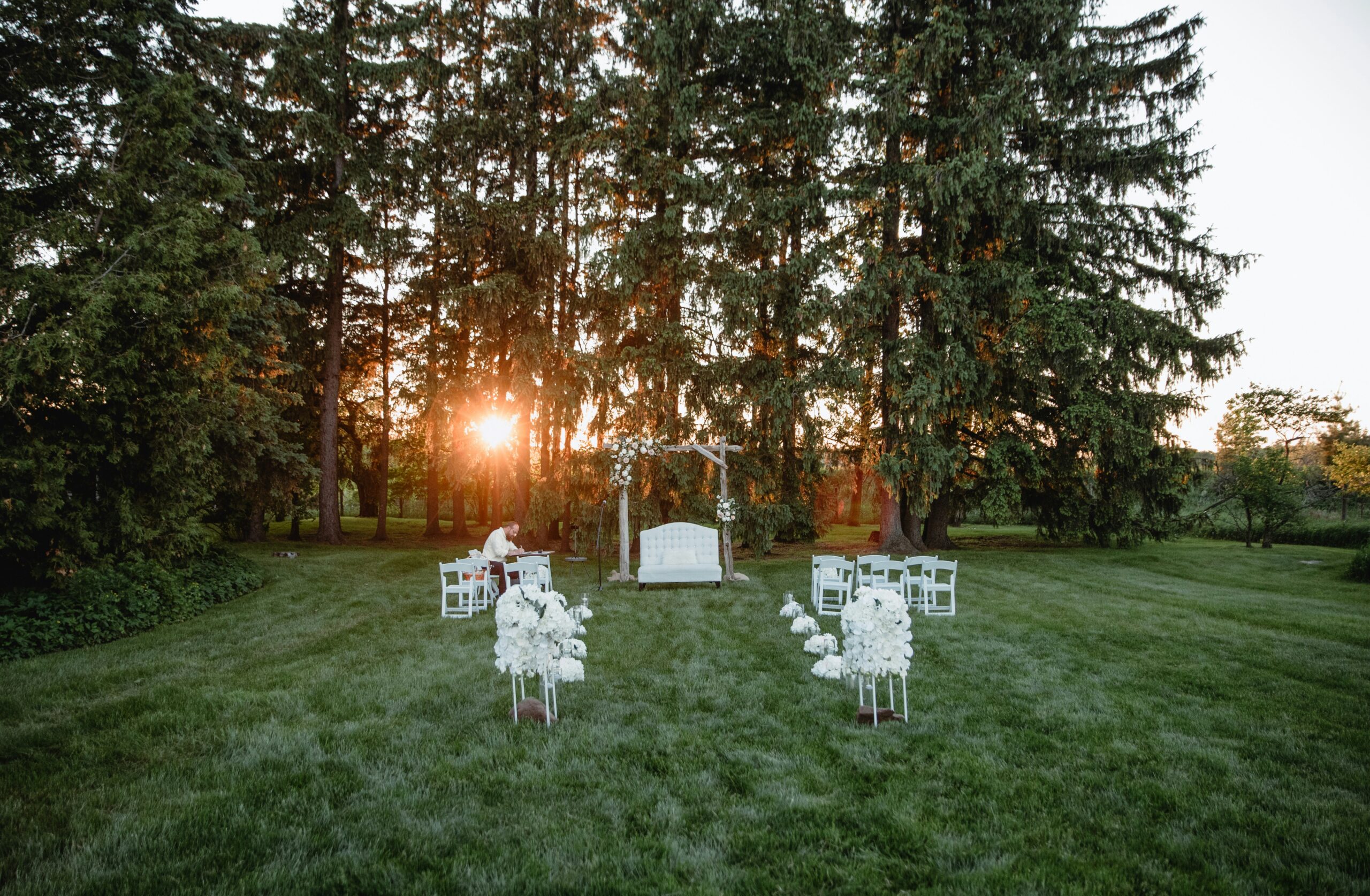
The Wedding Party
Having ‘bridesmaids’ and ‘groomsmen’ is a wedding tradition that stems from the need for the to-be-weds to have a small group of helpers and protectors around them. But nowadays, it’s become a way for a couple to involve their close friends and family in their wedding ceremony, whether they’re doing a reading or just helping with the logistics of the day.
If you decide to have a wedding party, you don’t need to stick to any gendered ideas about who is part of who’s group. You also don’t need to give your party any specific responsibilities, or insist that they stick to a dress code. And if you’d rather not elect a wedding party at all, you don’t need one!
Being Given Away
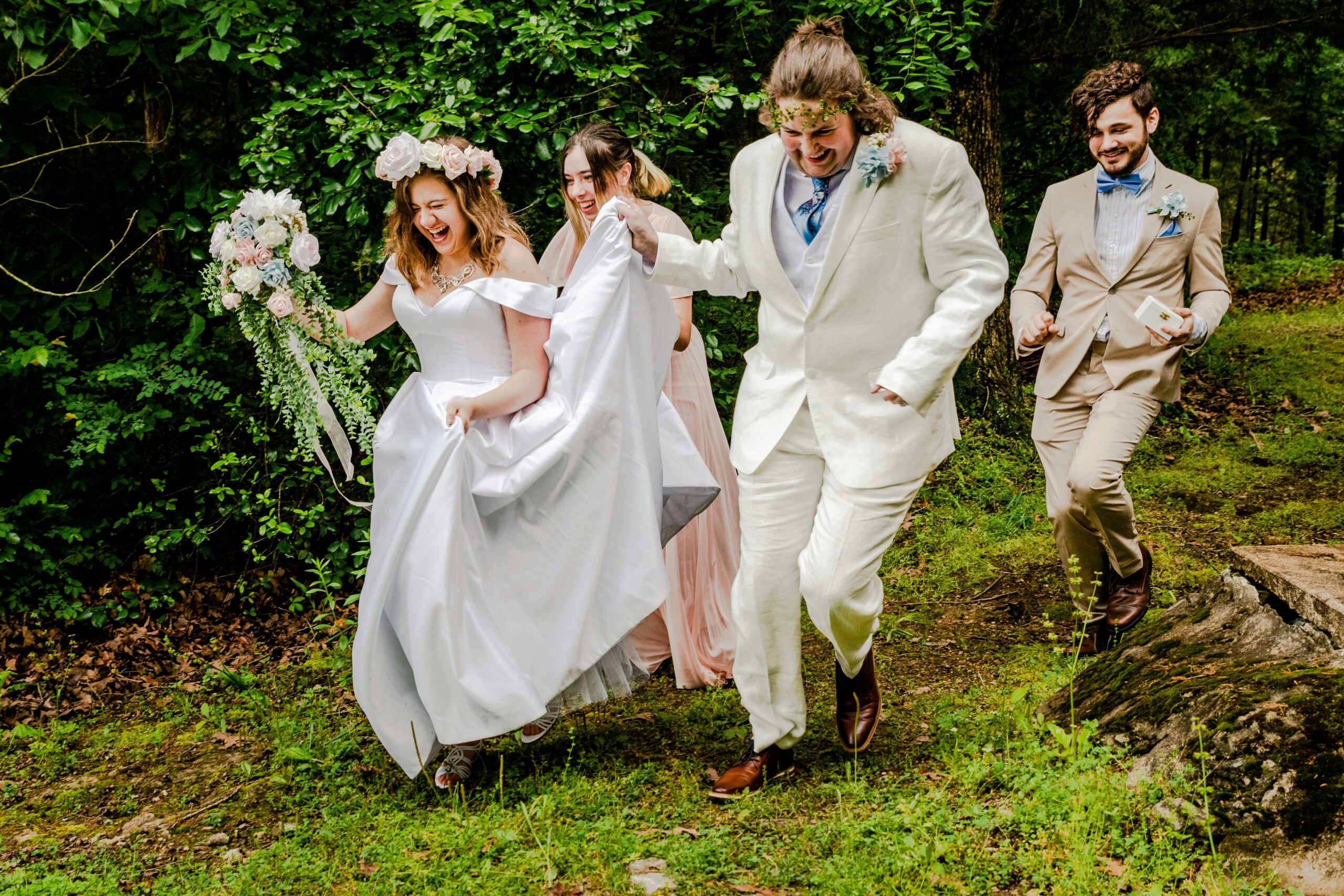
When marriage was more of a legal transaction than a relationship milestone, it was a wedding tradition that the father of the bride walked her into the ceremony and presented her to the groom. This tradition was also sometimes accompanied by the groom removing his bride’s veil once she had been ‘given away;.
The patriarchal connotations of this tradition might give you the ick, but it can also be really lovely to enter your wedding ceremony with your parent by your side. A great way to modernise this tradition is for both of you to enter with a parent, or both of your parents, or another special person. Alternatively, you could enter the ceremony together.
Confetti Toss
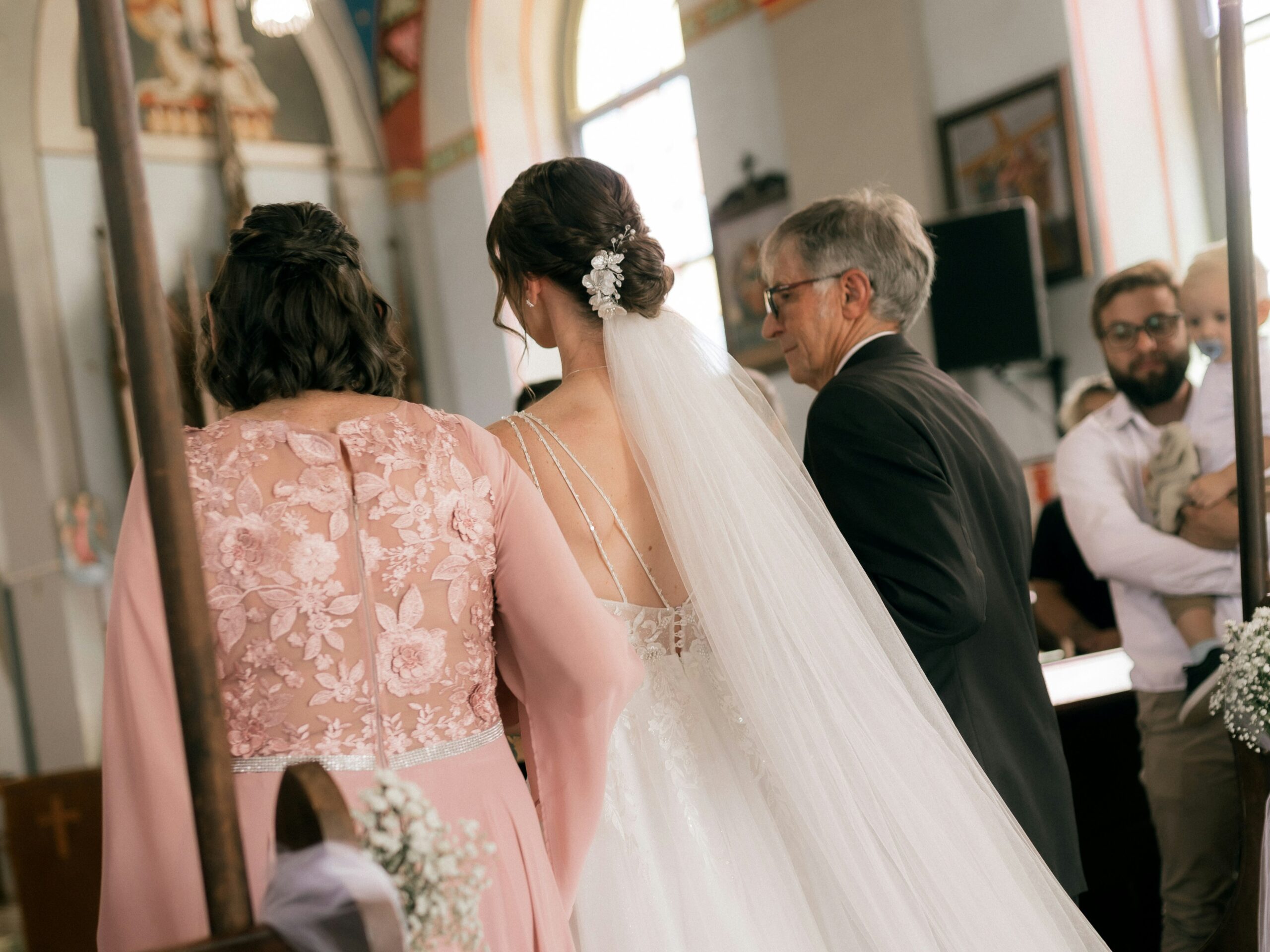
Historically, wedding guests used to throw rice, grains and seeds at a newly married couple to wish them luck, happiness and fertility. This tradition evolved into throwing confetti as a couple leaves their wedding ceremony venue, which is now a really popular photo opportunity.
This is a classic wedding tradition that makes for a very joyful end to your wedding ceremony. But if the idea doesn’t spark any joy in you or your partner, then you can leave it out!
Throwing the Bouquet
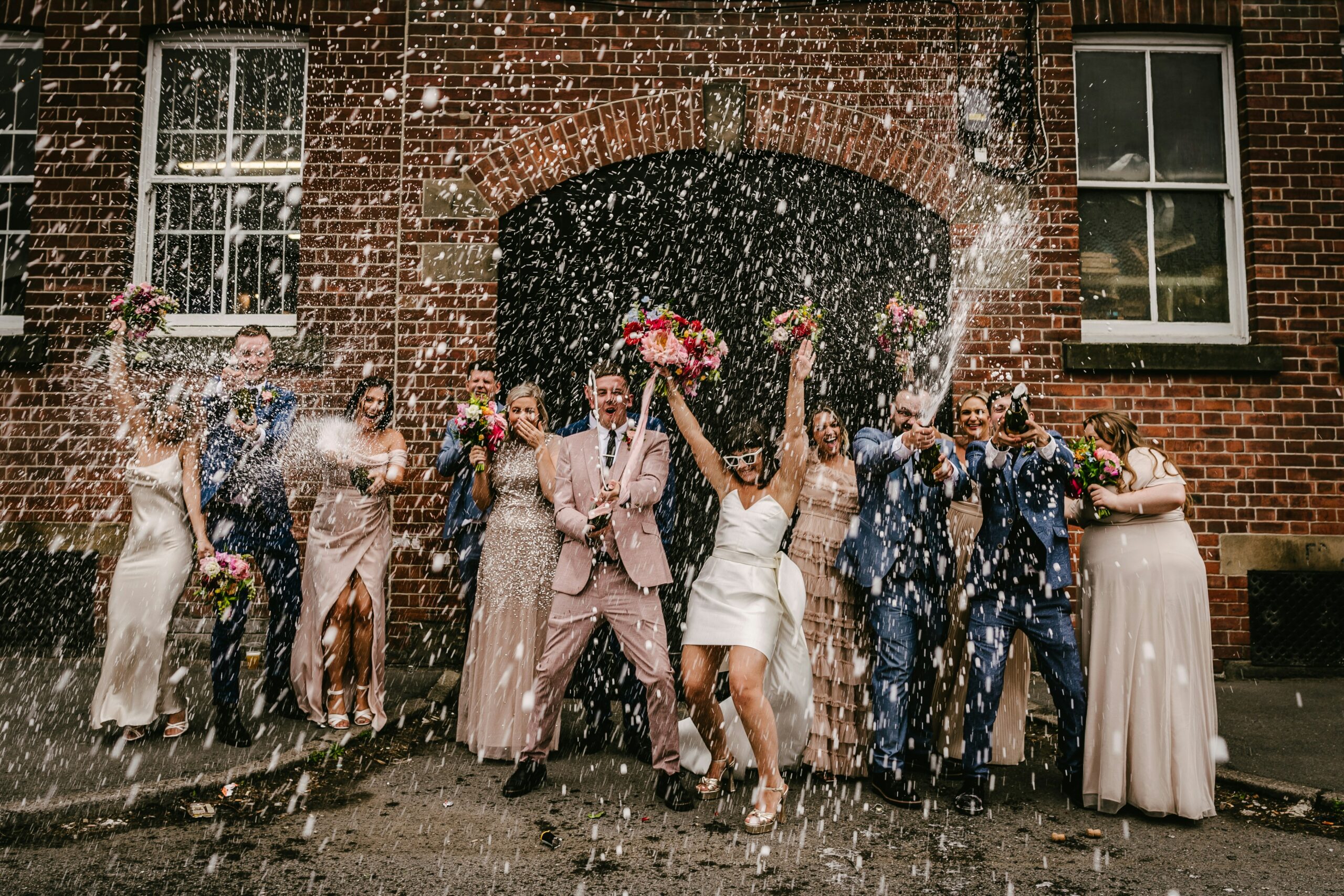
Carrying flowers on your wedding day is a very old wedding tradition that was said to bring luck and fertility, as well as symbolising a new beginning. By throwing these flowers to someone else, the luck was said to be passed on.
A wedding tradition that often divides opinion is tossing a bouquet into a crowd of guests, with the idea being that whoever catches it will be the next person to get married. It can be a lot of fun, and there’s no reason why you can’t adapt the tradition to throw something other than a bouquet too. But if your guests aren’t the competitive type, toss this tradition away!
Making Speeches
Speeches are a classic part of a wedding reception, with the responsibility traditionally falling to the father of the bride, the best man, and the groom. Today, plenty of couples get creative with this tradition and elect other important people to make speeches at their wedding.
If you want things to feel more laid back, you could offer the microphone to anyone who wants to say something special. Or if you’d rather spend your wedding reception doing something else, you can scrap the speeches altogether.
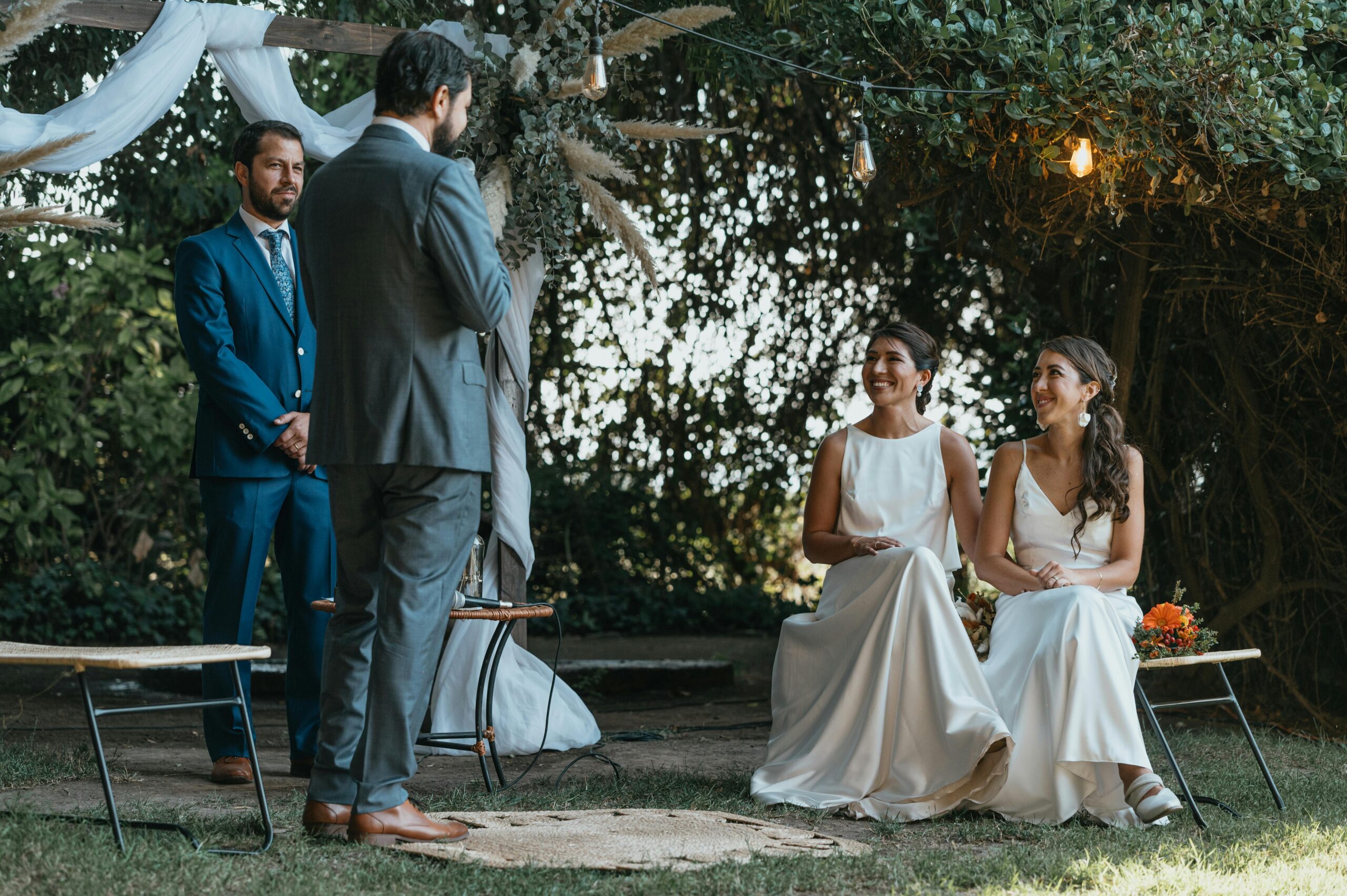
A ‘First Dance’
Historically, dance was an important part of ceremonial occasions as a way for people to celebrate and honour higher powers. The ‘first dance’ of the wedding is traditionally performed by the couple to mark the beginning of their marriage, and can be anything from slow dancing to a fully choreographed piece.
If you and your partner feel confident dancing for your guests, it’s a great wedding tradition that creates a really memorable moment. But if you’re planning an introvert-friendly wedding and dancing for a crowd sounds like a nightmare, you don’t need to do it!
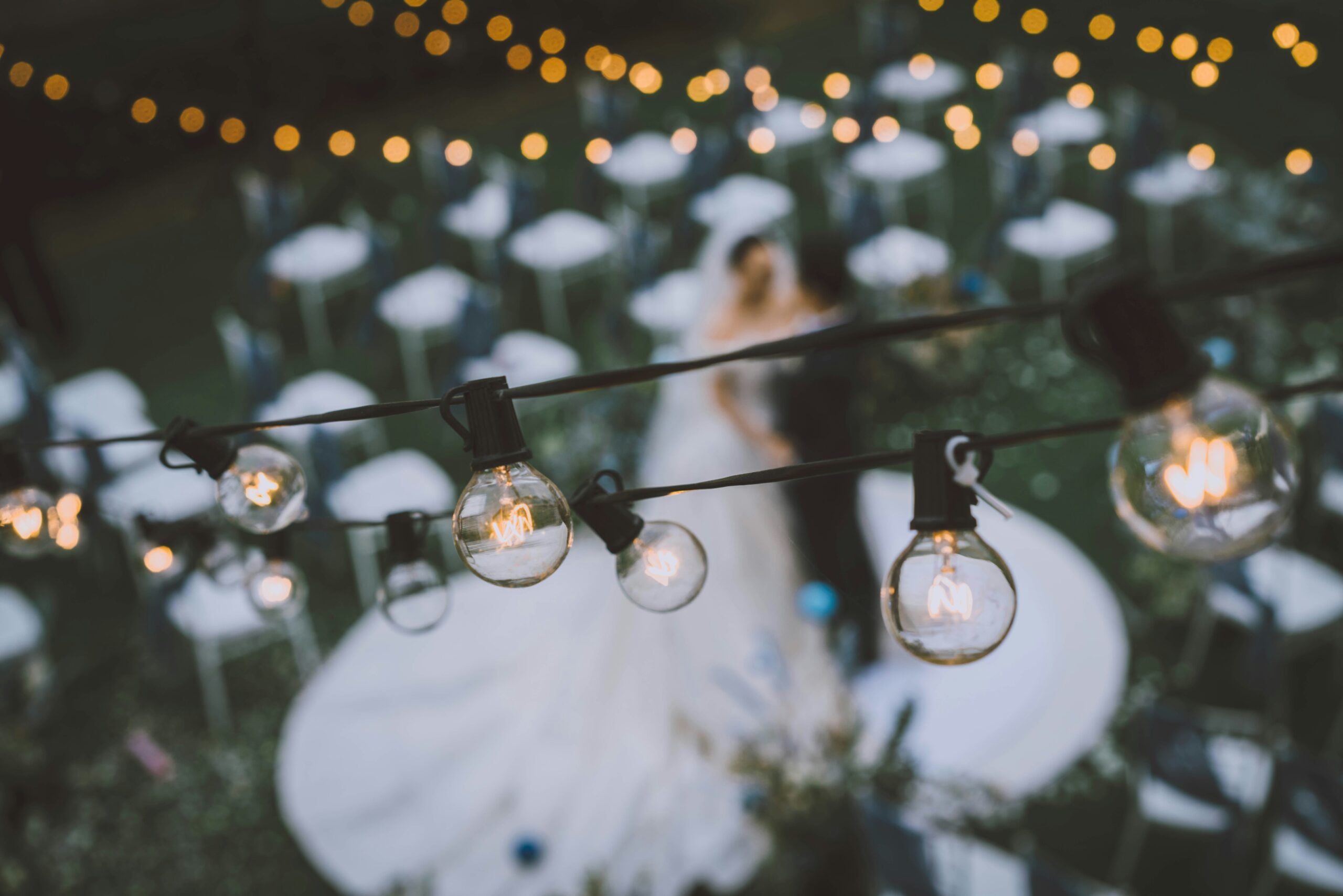
Choosing Your Wedding Traditions
My priority as a celebrant is giving couples the freedom to celebrate their relationship however they want. That often involves picking and choosing different wedding traditions and trends to create a unique ceremony that feels like them, instead of what feels like a generic wedding.
Whether you make new traditions for your wedding celebrations or include a variety of existing ones, I’d be delighted to work with you to design an authentic celebration of your love.
You can get in touch with me through this website, or send me an email directly at hello@celebranttee.co.uk. You can also find out more about my wedding ceremonies, or read more ceremony inspiration on my blog.
Leave a Reply