Throughout time, there have always been roles in society that are linked to rituals and ceremonies. Whether this is a member of the clergy, a spiritual leader, or an experienced and respected member of a group or community, there are plenty of examples of people responsible for leading a variety of celebration.
As society has changed and expanded, the need has arisen for secular individuals to oversee events that take place throughout the key moments of people’s lives. A celebrant does just that.
You might have attended weddings, funerals or even baby namings that were led by an independent celebrant. You might also be totally new to the concept, and have stumbled across it whilst planning an event.
Whether you’re looking for more information or you’re just curious about the profession, you’re in the right place. In this blog post, I’m going to explain what a celebrant actually does.
What is a Celebrant?
Let’s begin with a quick definition.
A celebrant is a professional who creates, oversees and runs a range of different ceremonies, including weddings and funerals. They are not linked to any religious organisation and currently do not have the legal power to marry couples.
What Does a Celebrant Do at a Wedding?
A lot of people’s first interactions with a celebrant take place as a guest at a wedding. As more and more people opt for a non-religious wedding ceremony, celebrant-led weddings are becoming more popular (which is great news for people like me!).
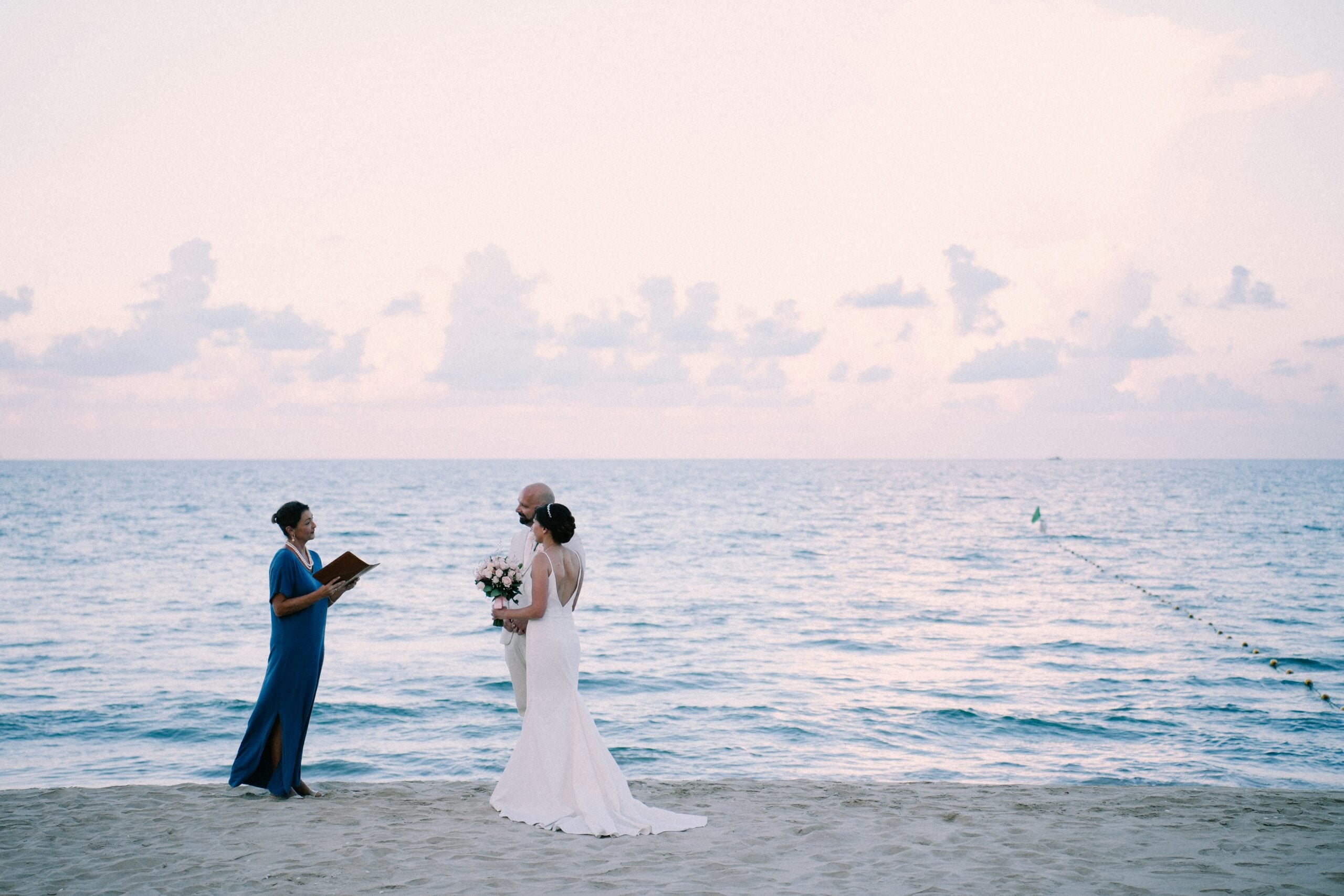
A wedding celebrant is responsible for delivering the wedding ceremony, which typically means that they will be stood at the front reading a script and guiding the couple through the different stages of the event. Every wedding ceremony is unique, but a celebrant will often share the couple’s story and journey towards marriage with their guests, lead them in their vows to each other, and oversee any symbolic rituals like exchanging rings. They might then stay on after the ceremony and act as a Master of Ceremonies for the rest of the day, or this responsibility might be handed over to someone else.
If you choose a wedding celebrant for your big day, they will typically meet with you a few times to learn more about you as a couple and the kind of wedding ceremony you’d like to have. They’ll then write the script, make any changes you request, and liaise with your other wedding vendors so that the ceremony happens as smoothly as possible.
So what does a wedding celebrant do?
- Writes your ceremony
- Oversees symbolic rituals
- Leads you in your marriage vows
- Coordinates with other guests involved in your ceremony
- Liaises with your wedding vendors
- Provides a professional, supportive presence throughout the planning process and on the day
Find out more about what I offer as a wedding celebrant.
Celebrant vs Registrar
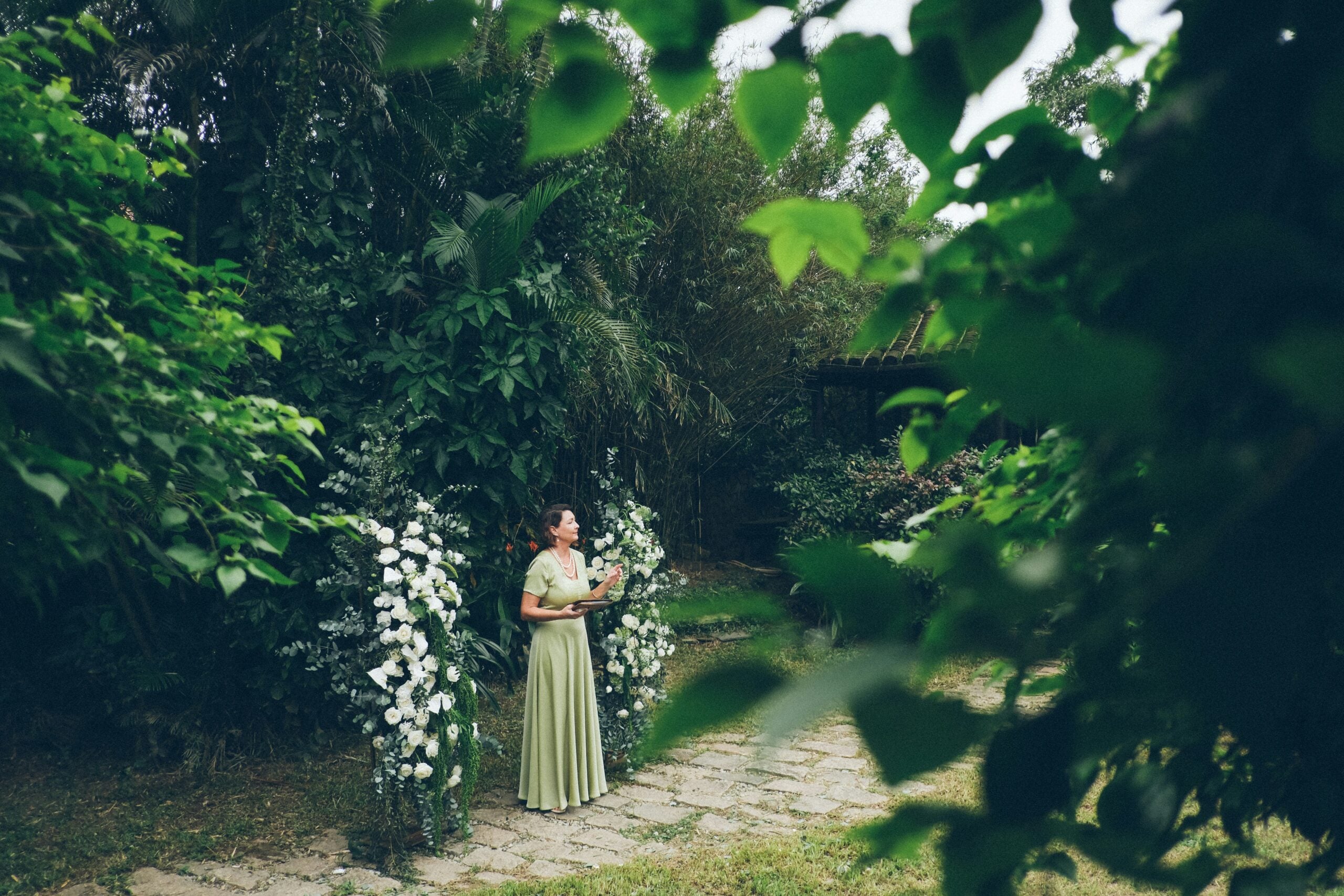
When I talk about wedding celebrants, it’s important to highlight that you cannot be legally married by a celebrant at this moment in time.
The person with this legal power is a registrar, who conducts marriage ceremonies in a registry office or a licenced venue.
So why choose a celebrant over a registrar then?
Well, first of all, the ceremony that a registrar conducts to legally marry a couple is incredibly rigid and cannot be personalised at all. This means that, whilst you will end up married to your partner, the process isn’t really tailored to you at all.
Secondly, you can only legally get married in specified locations. This means that you’ll either need to find a registry office or a licenced venue that works with your wedding plans, which limits your choices quite a lot.
And finally, a registrar usually turns up on the day, carries out the ceremony, and then leaves. You don’t get to know the person involved in one of the biggest commitments of your life, and they don’t know much about you as a couple either!
In contrast, a celebrant is chosen by you, takes the time to get to know you, creates a ceremony that is unique to you and your partner, and can conduct a wedding ceremony anywhere.
Truly, what’s not to like?
If you want to be legally married, my advice is to do this shorter, legal ceremony first. Then, you can plan a celebrant-led wedding close to this date and celebrate your commitment to each other in a much more authentic way, in a location that is special to you, with all of the people you want to share your day with.
It also means you get two wedding days. Which I think is pretty great.
What Does a Celebrant Do at a Funeral?
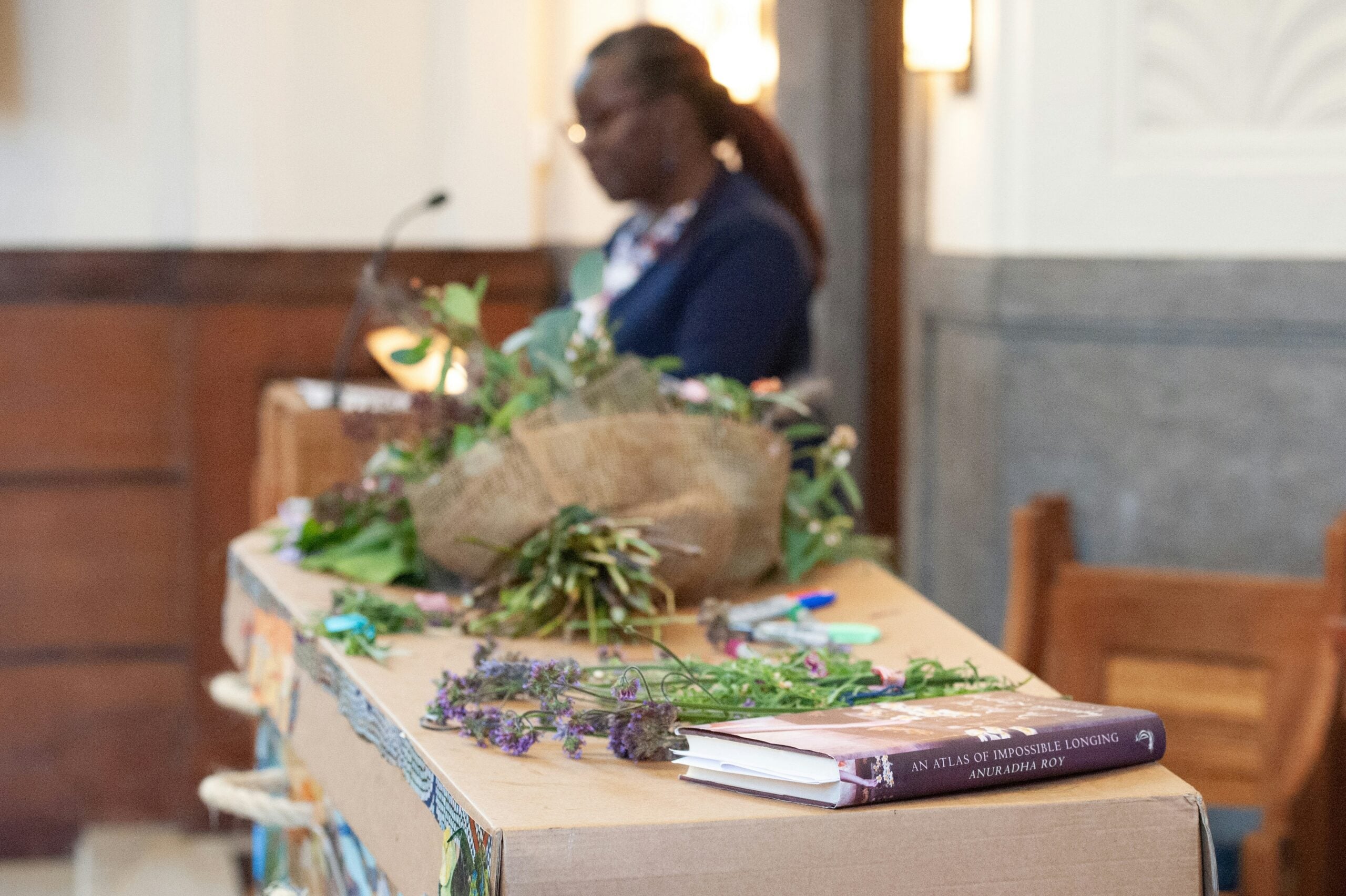
A funeral celebrant conducts a celebration of life, whether this takes place at a crematorium or a graveside. Again, they tend to be the person standing at the front of the room, overseeing the service and guiding the proceedings.
Whilst a religious funeral ceremony follows a set script, a celebrant-led funeral is created for the person who has passed away. All funerals are unique, but it might include readings or stories from people who knew the deceased, meaningful music or performances, a photo tribute, and usually a eulogy that shares their life story.
Celebrants don’t often meet the people whose funerals they conduct, but they do spend time with the family learning about the deceased and putting together a tribute to their life that feels personal and appropriate. They are responsible for writing and delivering the whole ceremony, and will also liaise with the funeral director so that you don’t need to worry about anything on the day.
A celebrant-led funeral is a wonderful option for someone who wasn’t religious, providing a celebration of life that properly captures who they were and the life they lived. Friends and family members can still be involved if they wish, but a celebrant acts as a calm, professional guide throughout the service, delivering the majority of the script.
In a nutshell, a funeral celebrant:
- Writes and delivers the funeral service
- Liaise with guests also speaking at the service
- Contacts and works with your funeral director
- Provides a sensitive, supportive presence throughout the planning process and on the day
There’s more information about celebrant-led funerals on my funeral services page.
What Ceremonies Can a Celebrant Do?
Weddings and funerals are what celebrants are typically known for.
But that’s really only the tip of the iceberg when it comes to what a celebrant can do.
Celebrations of Love
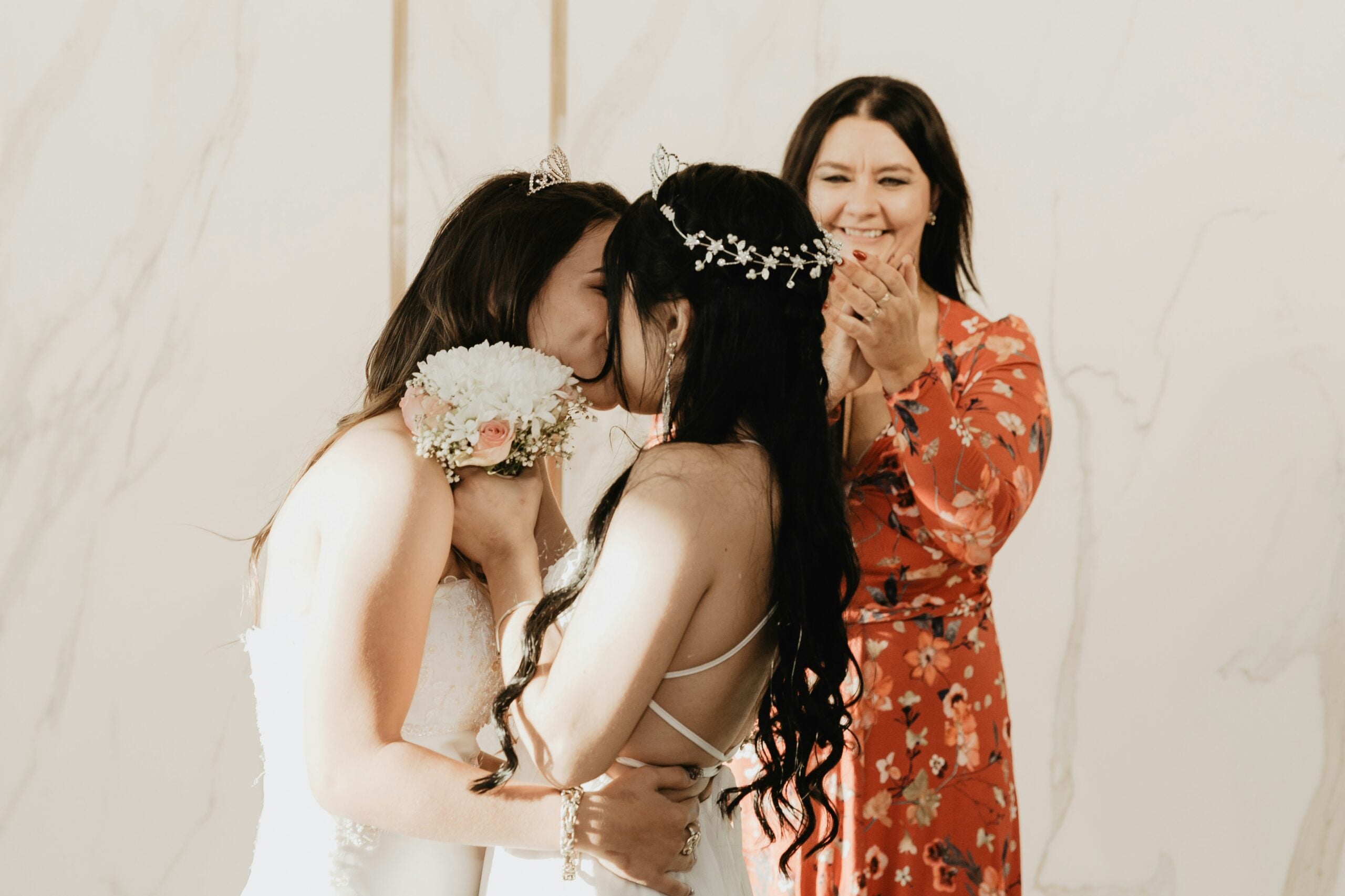
A celebration of love might be a wedding, but there are so many other occasions where a couple might want to hold some kind of ceremony or ritual to celebrate their relationship.
Vow renewals are a classic example, whether this takes place on a significant wedding anniversary to reaffirm the original commitment, or as a way to celebrate navigating a big change in the relationship. A celebrant can conduct a vow renewal that incorporates your family and provides an opportunity to celebrate how far you have come as a couple, however you want to do that.
Elopements are another celebration of love that look very different from a wedding, but can still be presided over by a celebrant. If you and your partner want a ceremony that feels incredibly personal and intimate, you might choose to get legally married and then visit somewhere special, delivering your vows with only a celebrant to guide you, or a handful of other guests.
Because a celebrant doesn’t conduct legal marriages, they are able to deliver ceremonies that celebrate love in all of its forms. If you’re in a polyamorous relationship, or just want to celebrate your commitment to a partner without actually getting married, a celebrant can design and lead a ceremony that is unique to you and your love.
Celebrations of Life
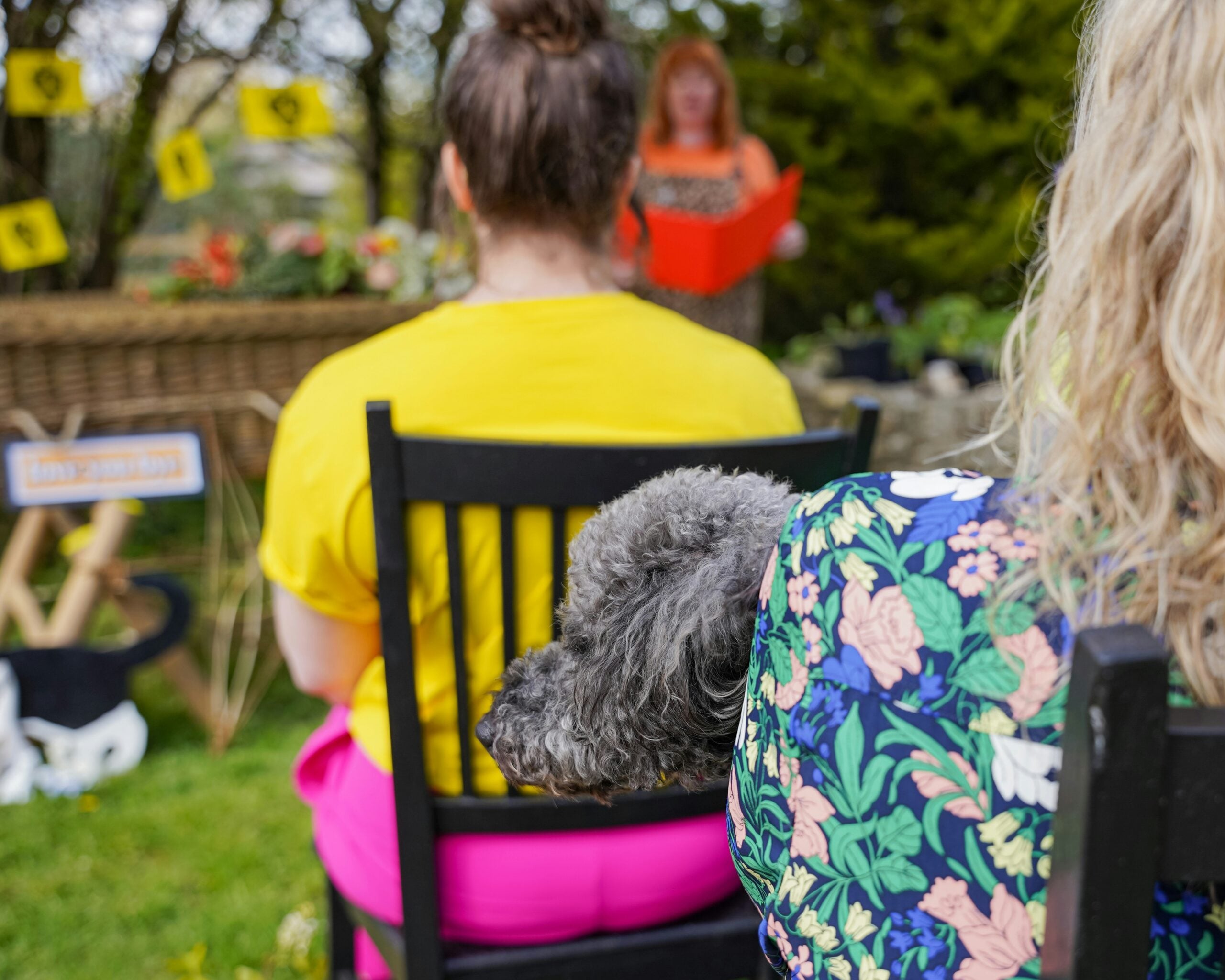
I’ve already talked about funerals and burials, but there are other ceremonies that can celebrate someone’s life.
A memorial service often takes place after a funeral or cremation, and tends to be more of a celebratory event for someone’s friends and family to come together and share stories and memories in tribute to the deceased. A celebrant can help you put a memorial together and oversee the ceremony, allowing the people involved to focus on how they want to say goodbye.
Living funerals are another, alternative option that take place before someone has actually died. Often chosen by those who have a terminal illness, a celebrant can help you to design your own funeral or the funeral for someone reaching the end of their life, offering the chance to involve them in the event.
Celebrations of Family
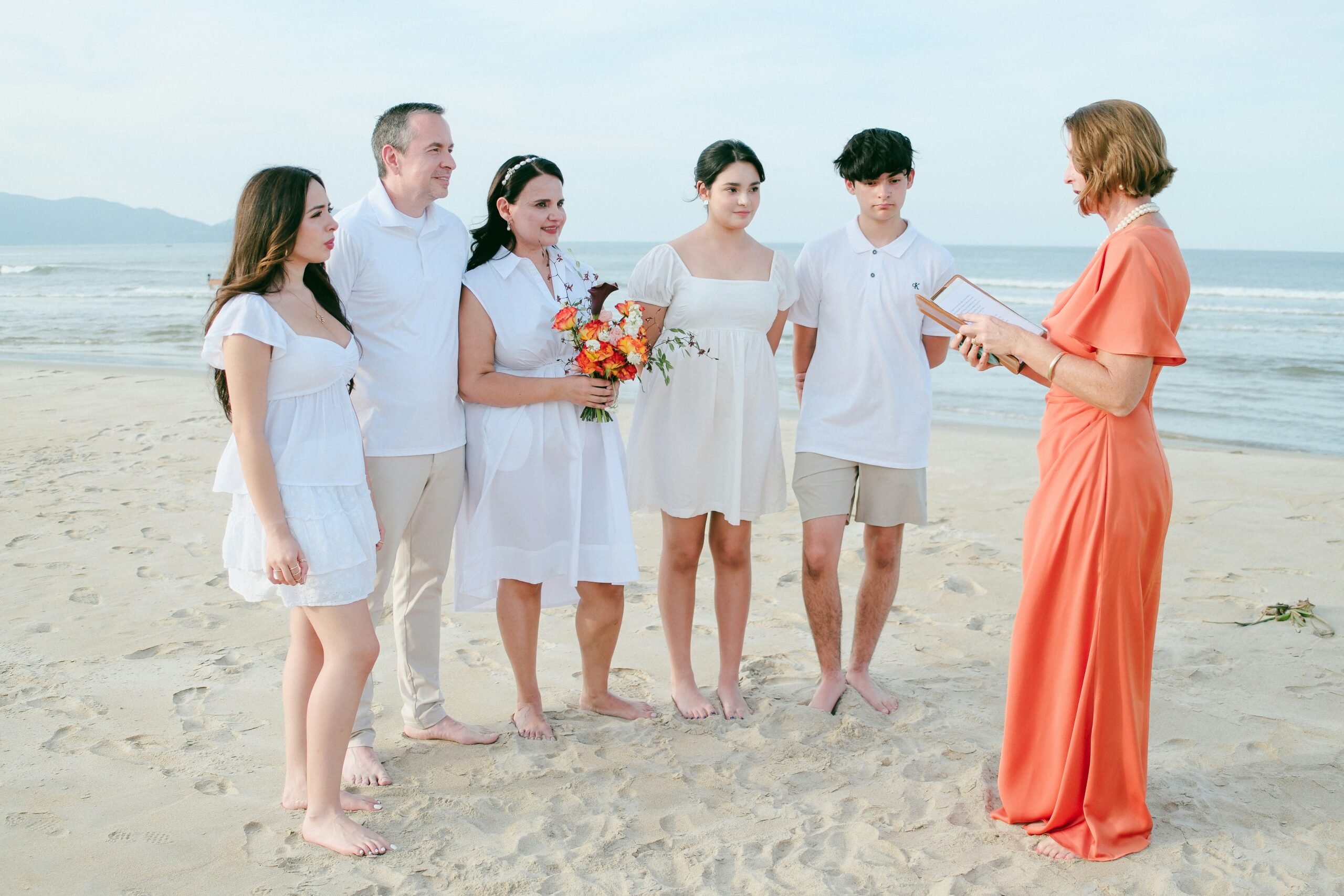
Family ceremonies often revolve around children, with naming days or naming ceremonies being the most common option of these. Similar to a christening, a naming ceremony introduces and celebrates a new arrival into a family, and can be a lovely way for a couple to mark the birth of a child and commemorate their growing family.
You might also choose to hold a naming ceremony when a child is older, or plan this kind of ceremony to celebrate an adoption. An adoption ceremony might involve other children as well as the parents and grandparents, and can be a beautiful way to welcome a child of any age into your family.
Families come in all shapes and sizes, and it might be that you create a new family that involves children with different parents. A family ceremony celebrates this change and involves all of the members, with a celebrant leading the proceedings and often organising a ritual that acts as a lasting memory of the new family’s beginning.
Celebrations of You
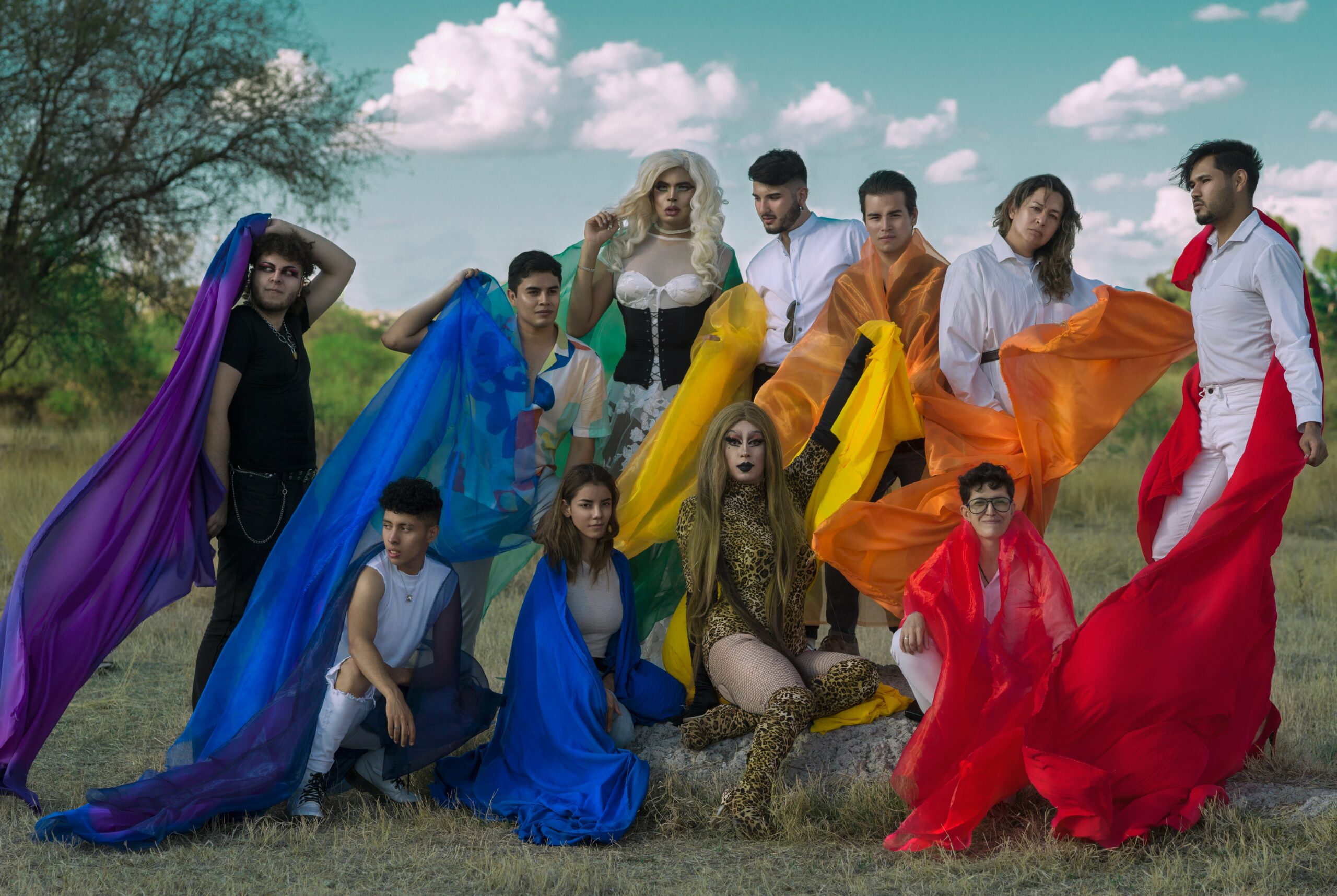
Births, deaths and marriages are the key events that are often celebrated with ceremonies in our culture. But there’s no reason why you can’t make an occasion out of other milestones that take place throughout your life.
Some people choose to hold a ceremony to mark a significant change, whether that’s a retirement, an important birthday, the end of a career, or recovery from a difficult period of time. You might also want to celebrate something like starting your own business, or ending a relationship that was no longer serving you.
A celebrant-led ceremony is also a lovely way to celebrate something like changing your name or undergoing gender-affirming medical care that helps you feel more like your authentic self. You could host an event re-introducing yourself to friends and family, or just celebrating the identity that you have stepped into.
If you’ve got something special in mind to commemorate a personal milestone, I’d love for you to get in touch and tell me more about your plans.
Can Anyone Be a Celebrant?
Technically, yes, anyone can be a celebrant. Which is great news if you’ve got a particular person in mind that you’d like to officiate your wedding, for example, or deliver a funeral.
However, the are a lot of benefits to working with a qualified celebrant (like me!) that make it worth looking into your options.
When you work with a celebrant who has undertaken training and knows the industry, you can feel confident that you’re going to be in safe hands. Experienced celebrants are excellent public speakers, skilled collaborators, empathetic human beings, and also have a unique knowledge of all kinds of things to be aware of when overseeing an event.
Choosing to work with an independent celebrant can also make the whole organisational process much easier, as they’ll be in charge of planning and writing the majority (if not all) of your ceremony. Instead of stressing about what to include, a celebrant will guide you through the whole process, drawing on their experience and expertise.
It’s also worth using a celebrant for the peace of mind that comes with trusting a professional. You don’t need to worry that the person you’ve chosen might get emotional, get stage fright, or have had one too many drinks before your ceremony takes place.
If you do have a friend or family member who you would like to conduct your ceremony, my celebrant services include the option to work with me to write your entire ceremony script. You can then pass this on to your chosen person to deliver the ceremony on the day, and still benefit from working with an experienced celebrant.

How to Find a Celebrant
If you’re reading this blog post, then congratulations. You’ve already found a celebrant, because you’re on my website! Why not take a look at the different services and ceremonies I offer?
But if you’re right at the start of your planning journey, and are just looking for some general information about finding a celebrant, or wondering ‘what does a celebrant do?’ then I can also advise on that as well.
A good place to start is searching for celebrants in your area, either online or through social media. There are also various directories like Celebrant Directory or the Association of Independent Celebrants that can be helpful.
If you’ve already chosen a venue, you should ask whether the place has a recommended list of celebrants that they have previously worked with. Plenty of wedding venues will be able to share their choices, and almost all funeral directors will do the same.
Another option is wedding fairs, where some celebrants advertise their services. This means that you can meet your potential choices in person and get more of a feel for their style and approach.
The celebrant industry relies on a lot of word of mouth. So a great way to find a celebrant is to ask your family and friends if they have worked with any or have any recommendations. You’ve got the added bonus here that you know the celebrants suggested are going to be good – Why else would someone suggest them?
What does a Celebrant Do For Me?
If you’re considering using a celebrant for one of the ceremonies I’ve talked about in this post, I hope that you’ve got a better idea of the kinds of services and support that they will be able to offer you.
Choosing a celebrant-led wedding, funeral, naming ceremony, and more is a wonderful way to ensure that you celebrate a special occasion in a way that feels personal to you and any other people involved. It’s worth taking the time to find a celebrant who aligns with your values and creates services with the kind of energy and aesthetic you’re looking for, as you’re going to get much more out of the process and end up with a ceremony that feels authentic to you.
If you’re looking for an independent wedding celebrant, funeral celebrant, or just someone to preside over another kind of event, why not take a look at the services I offer? My work is inclusive, creative and always person to the people involved, and I love helping to create unique celebrations of the moments in life that matter to you.
You might also want to find out more about me, or get in touch straight away to ask any specific questions or start planning your ceremony.
I can’t wait to hear from you!

Leave a Reply